2024 -2025

2021 – 2023

Talk Abstracts – 2025
LENT TERM 2025
19th March 2025 – Guillaume Salbreux (University of Geneva, Switzerland)
From active surfaces to evo-devo-mechanobiology
Morphogenesis of biological systems relies on mechanical forces at the mesoscopic, supracellular level to establish shape. Here I will discuss the physical theory of nematic active surfaces, which describes tensions and bending moments arising in active materials such as biological epithelia. I will then discuss how leveraging this theory can allow us to understand the integration of mechanical modules during development, and how these mechanical modules can vary across species, using the examples of comparison of development of cnidarians. I will introduce the concept of « mechanical redundancy », showing that several mechanical modules can have similar effect on shape determination.
10th March 2025 – Fengzhu Xiong (Cancer Research UK Gurdon Institute )
Tissue spreading couples gastrulation through extracellular matrix remodelling in early avian embryos
In early vertebrate embryos, tissue spreading (epiboly) couples gastrulation to shape the initial body plan. How these two large-scale collective cell movements cooperate remains unclear. Here, we examine the cellular mechanics underlying epiboly in a developing chicken blastoderm. We found that cells at the blastoderm edge undergo a wetting-like process to spread on the vitelline membrane through stiffness sensing and cytoskeletal remodelling. This interaction facilitates cell-proliferation-based growth to drive epiboly. Surprisingly, epiboly remodels the extracellular matrix (ECM), establishing a basal lamina and connecting neighbouring cells to direct growth pressure and cell movements radially outward. Both improper edge cell wetting and disrupted ECM remodelling cause tissue thickening and buckling that distort or inhibit primitive streak morphology. We conclude that epiboly couples gastrulation by organizing an ECM that thins out the epiblast to permit patterned gastrulation movements. The striking parallel of this mechanism with fish, where an epithelial enveloping layer instead of the ECM constrains and directs cell spreading, suggests a general principle of mechanical coupling between distinctly controlled tissue movements in vertebrates.
3rd March 2025 – Timothy Saunders (Warwick University)
Deciphering how complex organ form emerges in development
Our internal organs have specific three-dimensional morphologies essential for their efficient function. Defects in morphogenesis lead to diseases in adults – for example, over 40% of adult heart disease can be traced to a developmental context. Yet, we know remarkably little about the physical processes underlying internal organ morphogenesis. Here, I present quantitative analysis of early muscle formation in zebrafish. This system is highly accessibly to live imaging and is enabling us to decipher the biophysical mechanisms helping to build the first skeletal muscle structures. In particular, we explore how organogenesis can be so robust in the face of challenges during development.
24th Feb 2025 – Prof. Paula Elomaa (University of Helsinki)
Developmental patterning of head-like inflorescences in Asteraceae
Have you ever wondered what the spirals in sunflower heads are and how they emerge? Flower heads (i.e. inflorescences) in the sunflower family, Asteraceae, are iconic examples of geometric beauty found in nature. They superficially mimic solitary flowers but are in fact tightly packed structures, often composed of tens or hundreds of florets. The individual florets emerge on an enlarged meristem in regular left and right winding spirals whose numbers follow the two consecutive numbers in a mathematical Fibonacci sequence. My focus here is on molecular level studies to understand phyllotactic patterning of flower heads. Using the DR5 auxin reporter lines of the model plant Gerbera hybrida, we have shown how patterning is established de novo at early stages of meristem development and how the expansion growth of the meristem drives the emergence of high spiral numbers. The molecular data has been integrated into a computational model that was extended also to cases of non-circular (fasciated) heads. We have also applied synchrotron-based micro-CT imaging to explore the role vascular networks on patterning. Additionally, I will discuss how our work contributes to understanding of the evolutionary origin of capitula.
17th Feb 2025 – Juan Alonso-Serra (University of Helsinki, Finland)
Hydraulic patterns in plant development
Plant cells undergo dynamic changes in water status during normal development, generating hydraulic patterns and water fluxes at the tissue level. These processes are particularly evident, for example, when shoot meristems produce a new flower. While water fluxes are often regarded as passive by-products of development, growing evidence suggests that they not only result from growth processes but also play an active role in shaping them. In my research, I integrate 4D confocal microscopy, water tracing techniques, hydraulic modeling, and genetics to investigate how water fluxes serve as both a consequence and a driver of growth patterning. By uncovering the feedback loops between water movement and morphogenesis, we can uncover how hydraulic signals actively influence plant development and contribute to the regulation of growth and form.
17th Feb 2025 – Ana Patricia Ramos (Instituto Gulbenkian de Ciência (IGC), Oeiras, Portugal )
Forming an Eye: from cell behaviour to tissue shape changes
Building an organ is a multistep process in which correct morphogenesis arises from feedback loops between genetic regulation and mechanical forces. A key morphogenetic event is the emergence of tissue curvature, which is essential for various developmental processes, such as gastrulation, and shapes multiple organs, including the heart and neural tube.
Curvature can develop alongside other cellular and tissue rearrangements. In many of these complex contexts, the biomechanical interactions driving curvature remain unclear, as the contributions of individual rearrangements and their interplay are difficult to disentangle.
To address this, we investigated the morphogenesis of the vertebrate optic cup, a highly curved structure that forms from a flat bilayered optic vesicle. Using zebrafish as a model system, where cell and tissue dynamics can be studied in native 4D conditions, we combined in vivo experiments, 4D segmentation and analysis, and theoretical modeling. This interdisciplinary approach allowed us to identify key players driving the emergence of optic cup curvature.
10th Feb 2025 – Akanksha Jain (Department of Biosystems Science and Engineering, ETH Zürich, Basel, Switzerland)
Unveiling the choreography of human brain development:
Longterm lightsheet imaging unveils morphodynamics in human brain organoids
Brain organoids enable mechanistic study of human brain development and provide opportunities to explore self-organization in unconstrained developmental systems. We have established long-term light sheet microscopy on unguided multi-mosaic neural organoids (MMOs) generated from fluorescently labeled human induced pluripotent stem cells (iPSCs), which enables tracking of tissue morphology, cell behaviors, and subcellular features over weeks of organoid development. We demultiplex multi-mosaic neural organoids using morphometrics to provide quantitative measurements of tissue and cellular dynamics, using Actin, Tubulin, plasma membrane, nuclei, and Lamin labels, and show that the organoids exhibit tissue state transitions through neural induction, lumenization, and regionalization. We find that despite morphological heterogeneity, different organoids exhibit lumen formation and expansion at a consistent time, coinciding with early neurectoderm switching to late neurectoderm fate. This morphological tissue transition coincides with a switch in underlying gene regulatory networks (GRNs) involving extracellular matrix (ECM) pathway regulators. Presence of a basement membrane rich external ECM promotes cell polarization, cell alignment to form a neuroepithelium, lumen expansion and leads to formation of telencephalic progenitors. However, in absence of external ECM, the tissue transition switch is perturbed forming a heterogenous neuroepithelium with mixed cellular alignment and polarity. This promotes formation of increased neural crest cells and non-telencephalic progenitors. Finally, we show ECM induced patterning guidance is linked to modulations of the WNT and HIPPO signaling pathway, including spatially restricted induction of WLS and YAP1. Altogether, our work provides a new inroad into studying human brain morphodynamics, and supports a view that mechanosensing dynamics play a central role in constraining brain regionalization.
10th Feb 2025 – Daniel Pearce for Yamini Ravichandran (University of Geneva, Switzerland)
Topology changes of the regenerating Hydra define actin nematic defects as mechanical organizers of morphogenesis
Hydra is named after the mythological animal for its regenerative capabilities, but contrary to its mythological counterpart, it only regenerates one head when cut. Here we show that soft compression of head regenerating tissues induces the regeneration of viable, two headed animals. Topological defects in the supracellular nematic organization of actin were previously correlated with the new head regeneration site1. Soft compression creates new topological defects associated with additional heads. To test the necessity of topological defects in head regeneration, we changed the topology of the tissue. By compressing the head regenerating tissues along their body axis, topological defects of the foot and of the regenerating head fused together, forming a toroid with no defects. Perfectly ordered toroids did not regenerate over eight days and eventually disintegrated. Spheroids made from excised body column tissue partially lose their actin order during regeneration. Compression of spheroids generated toroids with actin defects. These tissues regenerated into toroidal animals with functional head and foot, and a bifurcated body. Our results show that topological defects in the actin order are necessary to shape the head of the regenerating Hydra, supporting the notion that actin topological defects are mechanical organizers of morphogenesis.
February 3rd 2025 – Andrea Pauli – IMP (Institute of Molecular Pathology), Vienna, Austria
Fundamental principles during the egg-to-embryo transitio
Life of sexually reproducing organisms starts with the fusion of two highly specialized cells, the egg and the sperm, which gives rise to a single cell, the zygote. Fertilization initiates the egg-to-embryo transition, one of the most dramatic developmental transition resulting in the transformation of the egg from a dormant state into regulatorily and functionally distinct embryonic cells. While this transition has been studied extensively in respect to zygotic genome activation, the molecular mechanisms that mediate sperm-egg binding and fusion during fertilization and regulate the maintenance of dormancy in the egg and re-activation in the embryo remain poorly understood. The vision of the Pauli lab is to gain mechanistic insights into the egg-to-embryo transition, with a specific focus on the molecular control of fertilization and developmentally programmed dormancy and re-activation.
Andrea (Andi) Pauli will talk about recent findings from her lab related to their work towards uncovering the mechanism of vertebrate fertilization and translational regulation during the egg-to-embryo transition. By combining genetic, molecular, cellular, biochemical, structural and genomics approaches in their main model organism, the zebrafish, the long-term vision of the Pauli lab is to unravel new concepts and molecular mechanisms governing this fascinating developmental transition that marks the beginning of life.
27th January 2025 – Marta Shahbazi (MRC Laboratory of Molecular Biology, Cambridge, UK)
Morphogenetic control of cellular differentiation during gastrulation
Embryo development entails the generation of diverse cellular identities and tissues morphologies. Cells need to take the right decision, at the right location, at the right time, and this decision needs to be coordinated with concurrent changes in tissue organisation. The mechanisms that ensure the tight coordination between cell fate decisions and tissue shape changes remain poorly explored. To address this question, my group focuses on the development of the mammalian embryo at the time of implantation into the uterus, a developmental stage that involves a global transcriptional and morphological transformation. Using embryo culture methods and 3D stem cell models, we have recently uncovered novel functional connections between the loss of epithelial architecture and the differentiation of pluripotent cells at gastrulation.
EASTER TERM 2025
12th May 2025: Kaelyn Sumigray (Assistant Professor of Genetics, Yale School of Medicine, New Heaven, CT)
Title: Collective cell behaviors in mammalian intestinal morphogenesis
The mammalian intestinal epithelium undergoes constant renewal while simultaneously balancing cell fate decisions. In this talk, I will discuss our lab’s efforts in understanding how collective cell movement up the villus is regulated. Furthermore, I will describe our studies in how the intestinal stem cell niche, the crypt, forms postnatally and the role for epithelial-mesenchymal crosstalk in establishing the niche.

19th May 2025: Miguel Ángel Ortiz Salazar (Postdoc in Shahbazi lab, MRC Laboratory of Molecular Biology, Cambridge) and Katherine Goodwin (Postdoc in McDole lab, MRC Laboratory of Molecular Biology, Cambridge)
Miguel Ángel Ortiz Salaza: Endogenous Nodal diverts Wnt signaling interpretation from posterior mesoderm to definitive endoderm in geometrically constrained human pluripotent cells.
The ligands FGF8 and WNT3A are crucial for embryonic development. They are involved in cell migration, aid mesoderm induction early at gastrulation, and fuel axial elongation by generating Neuromesodermal progenitors (NMPs) that pattern posterior cell fates in the embryo. While both events have been extensively studied, the mechanisms by which these signals produce different outcomes depending on the context remain elusive. Here, we studied how the Wnt signaling dynamics correlate with their cell fate.
When human embryonic stem cells are exposed to these signals under standard culture conditions, they indeed induce an NMP-like state. In contrast, however, when the same protocol is performed in geometrically constrained colonies, an intricate 3D structure emerges, featuring a ball of epiblast disk-like cells (SOX2+, OCT4+, NANOG+, ECAD+) on top of layers of definitive endoderm (DE) (SOX17+, FOXA2+, GATA6+, NCAD+, OTX2+). When these structures are exposed to increasing WNT doses, signaling levels as measured with live GFP::ß-catenin are elevated. However, these elevated WNT signals do not induce mesoderm or posteriorize the responding cells, challenging the classic concentration-dependent morphogen mechanism. By manipulating signaling pathways, we found that DE differentiation results from elevated endogenous NODAL signaling together with the exogenous WNT stimulation. The ability of WNT to induce NMPs and their specialized descendants, pre-somitic mesoderm (PSM) or neural progenitors (CDX1+, CDX2+, and TBX6+ or SOX1+, SOX2+) is restored only when WNT activation is combined with NODAL inhibition. Furthermore, combining live NODAL dynamics with time-point inhibitions, revealed that allowing NODAL signaling for the first 24 hours, enhances PSM induction while allowing it for 48 hours induces both DE and PSM fates. This shows that NODAL changes how the WNT signal is interpreted and is the main determinant of whether cells differentiate to endoderm or mesoderm. Finally, we determined that CHIR, a commonly used chemical Wnt activator, can induce PSM in a concentration-dependent manner with qualitatively different signaling dynamics through both the WNT and NODAL pathways compared to stimulation with WNT3A ligand.
Collectively, we demonstrate that cell fate decision-making is determined by the interplay between multiple pathways and not only by the levels of a single pathway, highlighting the dynamic nature of development.

Katherine Goodwin: Physical confinement in the developing mouse embryo puts migrating primordial germ cells at risk of DNA damage
High fidelity passing on of genetic material is essential to reproduction. Typically, this is accomplished by primordial germ cells (PGCs), which eventually produce sperm or eggs. In most animals, PGCs are specified far from the future gonads and must migrate through developing tissues to reach them. Failure to complete this journey can result in infertility or extra-gonadal germ cell tumours. Despite this important biomedical relevance, very little is known about PGC migration in mammalian embryos. Here, we performed dynamic and in-depth analyses of PGC migration during mouse embryogenesis, encompassing historically inaccessible stages. We found that migrating PGCs extend dynamic actin-rich protrusions, indicative of a migration strategy distinct to that used in non-mammalian model organisms. Their protrusive migration enables them to navigate through ECM barriers and increasingly developed tissues. These morphogenetic changes around PGCs impose increasing physical confinement, leading to significant nuclear deformation and even cell rupture. Endogenous and artificial increases in confinement lead to an increased incidence of DNA damage in PGCs, but not somatic cells. As a possible adaptation to mitigate this surprising stress, we found that PGCs deplete their nuclear lamina and have highly wrinkled nuclear envelopes that may enable them to squeeze through confined spaces damage-free. Overall, our insights into the fascinating journey of PGCs during mouse embryogenesis raise important questions about DNA repair, nuclear adaptations, and genome integrity in the mammalian germline.

27th May 2025: Prisca Liberali (Senior group leader, Friedrich Miescher Institute, Basel, Switzerland)
Scaling life: How Single Cells Orchestrate Tissue-Level Coordination
Morphogenesis relies on the precise coordination of single-cell behaviors to build complex tissues. Intestinal development exemplifies this process, as crypt formation emerges from tightly regulated biochemical and mechanical cues. Using organoid models combined with in vivo studies, we dissect how crypt morphogenesis is initiated by actomyosin-driven apical constriction and accelerated by osmotic forces. We identify a critical mechanochemical feedback loop mediated by calcium-dependent cytosolic phospholipase A2 (cPLA2), which senses mechano-osmotic changes and triggers robust crypt formation via arachidonic acid production and myosin relocalization. Together, our work reveals how cells integrate mechanical and osmotic signals to orchestrate irreversible tissue-scale transformations during development.

2nd June 2025: Harry McNamara (Assistant Professor of Molecular, Cellular and Developmental Biology, Yale University) and Maik Christian Bischoff (Postdoc at Mark Peifer lab, UNC Chapel Hill)
Harry McNamara: Decoding and controlling self-organization in stem cell models of embryonic development
The arrival of stem cell-based models of embryonic development (organoids, gastruloids, embryo models) presents new opportunities to investigate multicellular self-organization. Although development is often studied as a top-down process in which external spatial cues (such as morphogen gradients) instruct cell fate decisions, it is also thought that internal feedbacks in signaling networks can self-organize pattern formation from the bottom-up. Stem cell models use self-organization to generate cell types and tissue structures which resemble those built by real embryos. Despite rapid advances in stem cell model complexity and detailed comparisons to their in vivo counterparts, we have a comparatively limited understanding of how they emerge from cell signaling interactions. Unlocking the full potential of stem cell models will require not only characterizing their outputs but also understanding how they work.
We investigate stem cell self-organization by programming cells to read and write morphogen signals. By programming cells to record signaling activity, we can link early cell states to future cell fates and decode the origins of pattern formation. By controlling cell signaling with optogenetics, we can re-introduce spatial cues into stem cell models to guide morphogenesis and test predictions of quantitative theories. We will describe recent work applying this approach to study anterior-posterior symmetry breaking in the gastruloid as well as future opportunities in other stem cell developmental models.

Maik Christian Bischoff : Plexin/Semaphorin Antagonism Orchestrates Collective Cell Migration and Organ Sculpting by Regulating Epithelial-Mesenchymal Balance
Cell behavior emerges from the intracellular distribution of properties like protrusion, contractility, and adhesion. Thus, characteristic emergent rules of collective migration can arise from cell-cell contacts locally tweaking architecture, orchestrating self-regulation during development, wound healing, and cancer progression. The Drosophila testis-nascent-myotube-system allows dissection of contact-dependent migration in vivo at high resolution. Here, we describe a role for the axon guidance factor Plexin A in collective cell migration: maintaining cell-cell interfaces at a precise point on the epithelial-mesenchymal spectrum. This is crucial for testis myotubes to migrate as a continuous sheet, allowing normal sculpting-morphogenesis. Cells must maintain filopodial N-cadherin-based junctions and remain ECM-tethered near cell-cell contacts to spread while collectively moving. Our data further suggest Semaphorin 1b is a Plexin A antagonist, fine-tuning activation. This reveals a contact-dependent mechanism to maintain sheet-integrity during migration, driving organ-morphogenesis. This is relevant for mesenchymal organ-sculpting in other migratory contexts like angiogenesis.

9th June 2025: Kumud Saini (post-doc in Robinson Lab, Sainsbury Laboratory, University of Cambridge) and Ana Patricia Ramos (post-doc, Instituto Gulbenkian de Ciência, Oeiras, Portugal )
Kumud Saini: Temperature Regulation of Cell Cycle and Growth Dynamics in Arabidopsis
Living organisms exhibit maximum growth when they are in optimal conditions. A plastic developmental program allows organisms to sense environmental cues and express phenotypes better fitting their environments. An increase in global temperature has been shown to affect plant phenology, including the timing of vegetative and reproductive growth. In Arabidopsis thaliana, warm growth temperatures promote cell elongation in the hypocotyl, stems, and petioles, which is predicted to aid in cooling and protecting meristems. In contrast, warm temperature restricts leaf growth by inhibiting cell division and promoting cell expansion. To explain this contrasting effect on division and expansion and to explore the causal link between the two, we combined live cell imaging with Atomic Force Microscopy (AFM) in young proliferating leaves. Through cell-lineage tracking and imaging of cell cycle markers, we propose that elevated temperatures affect cell division frequency and alter the timing of cell cycle phases. AFM measurements showed that the mechanical properties of cell walls of diving and expanding cells differ, where softening of the wall potentially aids in growth acceleration. Together, we show how fluctuations in environmental temperature shape cell cycle and growth dynamics in Arabidopsis thaliana.

Ana Patricia Ramos: Forming an Eye: from cell behaviour to tissue shape changes
Building an organ is a multistep process in which correct morphogenesis arises from feedback loops between genetic regulation and mechanical forces. A key morphogenetic event is the emergence of tissue curvature, which is essential for various developmental processes, such as gastrulation, and shapes multiple organs, including the heart and neural tube.Curvature can develop alongside other cellular and tissue rearrangements. In many of these complex contexts, the biomechanical interactions driving curvature remain unclear, as the contributions of individual rearrangements and their interplay are difficult to disentangle.To address this, we investigated the morphogenesis of the vertebrate optic cup, a highly curved structure that forms from a flat bilayered optic vesicle. Using zebrafish as a model system, where cell and tissue dynamics can be studied in native 4D conditions, we combined in vivo experiments, 4D segmentation and analysis, and theoretical modeling. This interdisciplinary approach allowed us to identify key players driving the emergence of optic cup curvature.
16th June 2025: Joe Chen (MBI, SIngapore)
Jointly hosted with: Theory of Living Matter seminar series
MICHAELMAS TERM 2025
10th October 2025: Anne Grapin-Botton (Max Planck Insitute for Cell Biology and Genetics, Dresden, Germany)
Location: online on Zoom
Formation of complex ductal networks in the pancreas and pancreas organoids
Many organs harbor tubes containing fluid. Lumen containing fluid also form in many organoid systems. Organoids display a wide variety of morphological complexities ranging from simple balls of cells or hollow spheres to objects with bulges, lumen with complex shapes or breaking symmetry to elongate. To understand pancreas morphogenesis, as a complement to in vivo investigations, we designed simplified in vitro systems that can be monitored and manipulated more extensively than the whole embryo. We established three-dimensional culture conditions that enable the efficient expansion, differentiation and morphogenesis of pancreatic progenitors isolated from mouse embryos, human fetuses or produced from human pluripotent stem cells (hPSCs). The mouse system is architecturally the most elaborate, encompassing all epithelial pancreatic cell types spatially arranged similarly to the developing organ in vivo. Notably, acinar cells, the cells that produce digestive enzymes, are found at the tip of emerging branches and a network or ducts connects them, though lacking the outlet found in vivo. Endocrine cells form a small percentage interspersed between ducts. We will discuss how a network of ducts with narrow elongated lumen forms rather than single spherical lumen found in many organoids and their links to branching morphogenesis in vivo. Combining live imaging, computational modelling and interferences we find that networks of thin lumen form in conditions of low hydrostatic pressure enabled by epithelial leakiness. In addition, fast proliferation enabling the constant formation of new microlumen that slowly fuse with a growing network maintains the system out of equilibrium and is crucial for the formation of the luminal network.

20th October 2025: Pierre-François Lenne (IBDM and Turing Center for Living Systems, Aix Marseille Univ. & CNRS, Marseille, France)
Location: Sainsbury Laboratory, 47 Bateman St, CB21LR, Cambridge and online on Zoom
Building and extending the body axis: the role of tissue Interfaces
The formation of the body axis is a central step in embryonic development; however, how tissues coordinate to shape and extend it remains largely unknown. Using mouse gastruloids and Xenopus explants, we investigated how tissue interactions drive axis elongation. In gastruloids, we demonstrate that the mechanical properties at tissue interfaces drive collective cell flows and contribute to axis formation and early extension. In Xenopus explants, we show that coordinated interactions between epithelial and mesenchymal layers are essential for robust elongation. These findings highlight different but potentially conserved strategies by which tissues build and extend the body axis, revealing that tissue interfaces can organize coherent axis formation even in the absence of external signals.

@pflenne.bsky.social
co-hosted with Theory of Living Matter Seminar Series
27th October 2025: Ya Min (University of Illinois, Urbana-Champaign, USA) and Baptiste Tesson (Institute Curie, Paris, France)
Location: online on Zoom
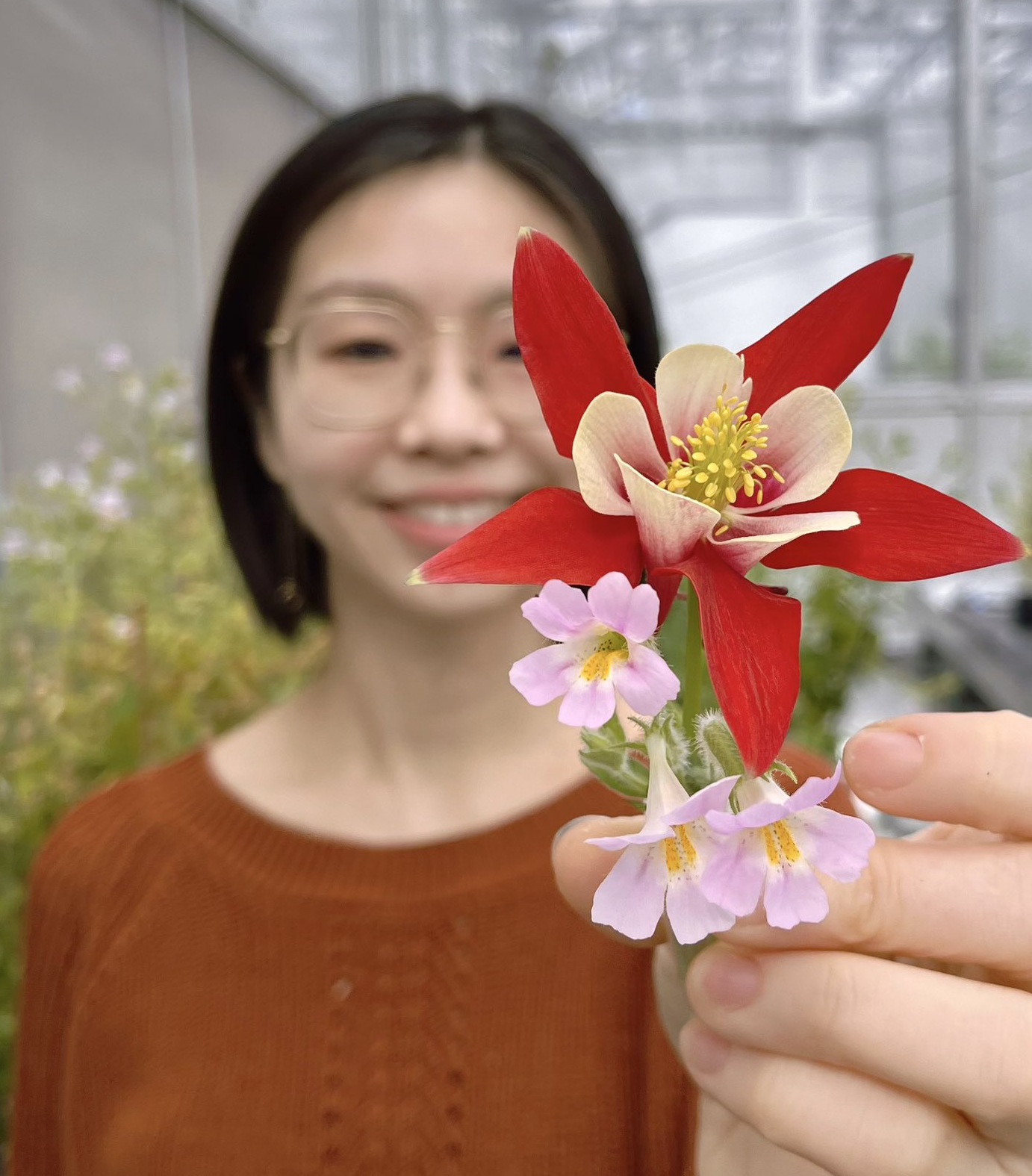
Ya Min: The Moment Symmetry Breaks: Spatiotemporal Dynamics of CYCLOIDEA Expression During Early Floral Development
The establishment of bilateral symmetry in flowers depends on the precise regulation of CYCLOIDEA (CYC) gene expression along the dorsal-ventral axis. Although auxin and BLADE-ON-PETIOLE (BOP) have been implicated as regulators of CYC, when, where, and how they affect CYC expression remains unclear. Here, we combined transgenic manipulation and fluorescent confocal imaging to capture the spatiotemporal dynamics of the Mimulus parishii CYC genes (MpCYC2a and MpCYC2b) in relation to FM growth and auxin activity maxima in both wild type (WT) and bop mutants (mpbop). Strikingly, MpCYCs have already gained dorsal expression in the FM prior to any detectable auxin maxima, and no difference in MpCYC expression was observed between the wild type and mpbop during this initiation phase. We observed highly dynamic auxin maxima during FM expansion, when MpCYC expressions remained dorsally restricted in WT but expanded broadly inmpbop FMs. These findings suggest that early symmetry breaking in the FM is guided by positional cues independent of auxin or BOP, which are instead essential for refining and maintaining dorsal-specific CYC expression during later FM enlargement. Our work illustrated how combining advanced imaging with emerging model systems can yield fresh insights into long-standing questions in development and evolution, and laid the groundwork for further elucidating the mechanisms underlying the repeated symmetry breaking in FMs.
————————-
Baptiste Tesson Title: Complementary Mechanical Identities from Iterative BMP Signaling Ensure Robust Morphogenesis
Morphogenetic robustness stems from the coordination of signaling cues, mechanical properties, and tissue geometry to produce outcomes that resist perturbation. D. melanogaster dorsal closure provides a powerful model to study this integration. In this process, the dorsal-most tissue, the extraembryonic amnioserosa, contracts and pulls on the dorsal epidermis, which elongates in response to enclose the embryo. We show that this system relies on an elastic-to-plastic transition of the dorsal epidermis together with a strengthening of the interface between the two tissues. These properties emerge from iterative phases of DPP/BMP signaling following the initial morphogen gradient. This sequential mechanism, that we defined as automorphy, instructs tissues with distinct mechanical identities such as contractile, plastic, or adhesive while preserving positional information. Together, these mechanical programs provide resilience to developmental perturbations and enable the embryo to adapt to internal organ volume, thereby safeguarding morphogenetic robustness. Our results highlight how repeated waves of morphogen activity translate patterning into complementary mechanical programs that ensure reliable morphogenesis.
3rd November 2025: Philip Maini (University of Oxford)
Location: online on Zoom
Modelling collective cell movement in early development
Collective cell movement is a common phenomenon in biology, occurring n embryonic development, wound healing and disease. In a collaboration with experimentalists for over a decade we have been carrying out an interdisciplinary study of the chick cranial neural crest. I will show how a simple agent-based mathematical model, combined with experimental studies, has led to new insights into how these neural crest cells move in a coherent stream. In particular we identified phenotypic heterogeneity and switching as being key features of the process, as well as investigating mechanisms that confine the cells to the corridor along which they move.

10th November 2025: Jean-Léon Maître (Institut Curie, Paris, France)
Location: online on Zoom
Mechanics of blastocyst morphogenesis
During preimplantation development, the mammalian embryo forms the blastocyst consisting of a surface epithelium enveloping a fluid-filled lumen and a cluster of pluripotent stem cells. The architecture of the blastocyst is key to uterine implantation and further development. The shaping of the blastocyst is the result of changes in the physical properties of the cells, which generate the forces sculpting the embryo. These forces typically originate from the cytoskeleton, adhesion molecules of the osmotic machinery. In the lab, we use live microscopy to observe shape changes across spatiotemporal scales, biophysical tools to characterize the changes in physical properties of cells and tissues, and genetics to disrupt morphogenesis. This led us to discover the major contribution of cell contractility throughout preimplantation morphogenesis in both mouse and human embryos as well as the physical nature of the mechanisms leading to the positioning of the lumen within the embryo.

@maitrejl.bsky.social
17th November 2025: Luca Guglielmi (MRC Laboratory of Molecular Biology, University of Cambridge, UK) and Susannah McLaren (Wellcome Trust/Cancer Research UK Gurdon Institute, University of Cambridge, UK)
Location: hybrid- Department of Physiology, Development and Neuroscience (PDN), University of Cambridge, 4-7 Downing pl, CB2 3EL, and online on Zoom
Luca Guglielmi: Modelling Neuronal Morphogenesis Across Species: a Purkinje Cell’s Journey to Utmost Complexity
The human cerebellum contains approximately 80–90% of all neurons in the adult brain. During evolution, its expansion contributed substantially to the remarkable size of the human brain and to the emergence of complex behaviours such as tool-making and language. Species-specific differences are particularly evident in cerebellar Purkinje cells (PCs), the largest and most elaborate neurons in the human brain, which display disproportionate dendritic complexity compared to other species. However, the mechanisms underlying PC scaling remain poorly understood, as reproducing advanced stages of cerebellar development in vitro has remained a major challenge. By balancing self-organization with guided differentiation, I have established a new in vitro model of cerebellar development that enables the study of late gestational stages previously inaccessible. Under these conditions, PCs undergo conserved morphogenetic transitions across distinct developmental phases in vitro, progressing on species-specific timescales that closely mirror in vivo trajectories. By combining quantitative morphometry with cross-species comparisons, I am investigating the human-specific mechanisms driving disproportionate PC morphogenesis and their contribution to cerebellar growth and evolutionary scaling.
@luca-guglielmi.bsky.social
————————-
Susannah McLaren: The spatial organisation of coral-algae symbiosis
How do different organisms interact to unlock new possibilities for life? The symbiosis between cnidarians, including corals and sea anemones, and algae provides a striking example. Algae residing inside the host’s cells provide key nutrients derived from photosynthesis, enabling survival in nutrient-poor environments and unlocking the existence of the planet’s most biodiverse ecosystems – coral reefs.
This photosynthetic symbiosis is highly sensitive to the physical environment. Many symbiotic partnerships break down under light and heat stress in an event called ‘bleaching’, where algal symbionts are lost from the host. However, some partnerships can persist under environmental change, raising the question – how do corals and algae build a symbiosis for survival in a given environment?
Using high-resolution imaging, molecular biology approaches and physical perturbations we are exploring how multicellular cnidarians and their single-celled algal partners interact to build a symbiotic relationship as the host develops from a ball of cells into an adult polyp. We reveal that symbionts are not passively accommodated but dynamically patterned within the host during morphogenesis and show that this organisation can be remodelled under environmental change. Overall, our work aims to reveal fundamental principles of how interacting organisms dynamically shape each other’s biology to survive in challenging ecological niches.

24th November 2025: Meng Zhu ( Tabin lab, Harvard Medical School, Massachusetts, USA) and Alex Plum (University of California, San Diego, USA)
Location: online on Zoom
Meng Zhu’ s title: Maternal oxygen levels regulate the timing of limb development in amniote species
Heterochrony, or the alternation of developmental timing, is an important mechanism underlying changes during evolution. A notable example involves the timing of amniote limb formation, where avian species display synchronized growth of the forelimbs and hindlimbs, while mammalian species show a marked delay in hindlimb development relative to forelimb. This is hypothesized to have evolved in the context of an energy trade-off involving constrained nutrient supplies in the early development of eutherian mammals, yet the molecular basis of the delay is poorly understood. We here show that mammalian limb heterochrony is evident from the time the limb buds are first initiated, and is associated with heterochronic expression of T-box transcription factors. This heterochronic change relative to non-mammalian embryos is not due to changes in cis-regulatory elements controlling T-box gene suppression, but unexpectedly, is regulated by the differential oxygen levels to which avian and mammalian embryos are exposed at prelimb initiation stages. By integrating RNA-sequencing analyses with genetic assays, we found that hypoxia’s impact on hindlimb development is at least partially mediated through the expression of NFKB transcription factor, cRel. Taken together, these results provide mechanistic understanding of an important example of developmental heterochrony and exemplify the importance of the maternal environment in regulating the timing of embryonic development. In addition, our results help to explain the limb-type specific venerability to gestational hypoxia.

————————-
Alex Plum’s title: Morphogen patterning in dynamic tissues
Embryogenesis integrates morphogenesis—coordinated cell movements—with cell differentiation, often informed by morphogen patterning. While largely studied independently, morphogenesis and patterning often unfold simultaneously in early embryos. Yet how cell movements affect morphogen transport and cells’ exposure over time remains unclear, as most pattern formation models assume static tissues. Here we develop a theoretical framework for morphogen patterning in dynamic tissues,
recasting advection-reaction-diffusion equations in the cells’ moving reference frames. This framework (i) elucidates how morphogenesis mediates morphogen transport and compartmentalization: cell-cell diffusive transport is enhanced at multicellular flow attractors, while repellers act as barriers, affecting cell fate induction and bifurcations. (ii) It formalizes cell-cell signaling ranges in dynamic tissues, deconfounding morphogenetic movements to identify which cells could communicate via morphogens. (iii) It provides two new nondimensional numbers to assess when and where morphogenesis affects morphogen transport. We demonstrate this framework by analyzing classical patterning models with common morphogenetic motifs as well as experimental tissue flows. Our work rationalizes dynamic tissue patterning in development, constraining candidate patterning mechanisms and parameters using accessible cell motion data.

Twitter/X: @axplum , Bluesky: @alex-plum.bsky.social
1st December 2025: Neha Bathia (Sainsbury Laboratory, University of Cambridge)
Location: hybrid – The Gurdon Institute, Tennis Court Rd, CB2 1QN and online on Zoom
Patterns and form:Lessons from plants.
Nature has provided us with many beautiful patterns and forms to admire—for example, patterns on butterfly wings, stripes on a Zebra, striking arrangements of leaves and flowers in plants, and diverse leaf shapes. A fundamental question in biology is how living forms are generated and diversified during evolution. Plants offer an attractive system to study this problem as they continue to develop their organs post-embryonically, allowing us to investigate organ initiation and follow their development over time. In my talk, I will discuss how the combined use of different techniques such as advanced microscopy, genetics and computational approaches can help us understand the genetically controlled mechanisms of patterning and growth that underlie the generation of plant forms.

@neha_bhatia29
Abstract and videos from Lent 2021 to Michaelmas 2024
Lent Term 2021
18/01/21 – Anna Erzberger (EMBL, Heidelberg)
First a war then a dance: How sensory organs take shape
Actively regulated symmetry breaking, which is ubiquitous in biological cells, underlies phenomena such as directed cellular movement and morphological polarization. Here, we investigate how an organ-level polarity pattern emerges through symmetry breaking at the cellular level during the formation of a mechanosensory organ. Combining theory, genetic perturbations and in vivo imaging, we study the development and regeneration of the fluid-motion sensors in the zebrafish’s lateral line. We find that two interacting symmetry-breaking events—one mediated by biochemical signalling and the other by cellular mechanics—give rise to precise rotations of cell pairs, which produce a mirror-symmetric polarity pattern in the receptor organ.
25/01/21 – Nicolas Minc (IJM, Paris)
Cell shape, cell division and the development of early embryos
Life for all animals starts with the fertilization of the egg, followed by the centration of the sperm nucleus and a 3D-choreography of reductive cell divisions called cleavage patterns. These invariant morphogenetic processes rely on the precise motion, positioning and orientation of large microtubule (MT) asters which grow out from centrosomes around nuclei and spindles. Using a combination of mathematical models, in situ force measurement and quantitative imaging in large marine embryos, we demonstrate that the geometry of eggs and blastomeres may largely influence these early morphogenetic events. Our data support that dynein-dependent MT cytoplasmic pulling forces that scale to MT length may function as a general design to convert cell shape into net aster force, torques and consequent motion, position and orientation. This design allows to account for the centration of sperm nuclei at fertilization, competition between symmetric and asymmetric divisions, as well as the geometry of cleavage patterns in multiple invertebrate and vertebrate species. These studies unravel the default self-organization rules governing division positioning and early embryogenesis
01/02/21 – Magali Suzanne (CBI, Toulouse)
From cell dynamics to robust tissue folding
Mechanical forces are critical regulators of cell shape changes and tissue remodelling during developmental morphogenetic processes. Recently, we revealed that apoptotic cells, far from being eliminated passively, are generating apico-basal forces that constitute an important mechanical signal involved in epithelial folding in the developing leg of Drosophila. Here, I will present more recent works, based on this initial discovery regarding the cellular mechanism responsible for force generation in apoptotic cells and the potential conservation of this mechanism in vertebrate. I will further discuss the surprising similarities of the mechanical impact of apoptotic cells to the one of ingressing cells undergoing EMT on tissue remodelling. Finally, I will present data regarding the mechanics of morphogenesis robustness involving Myosin II planar polarity and the Arp2/3 complex.
08/02/21 – Caren Norden (IGS, Oeiras)
Generating order out of (pseudo)chaos during vertebrate retinal lamination
One important question in developmental neurobiology is how collective cell behaviour ensures the reproducible formation of a healthy and functional brain. We explore this question using the vertebrate retina as a model tissue. The retina is the part of the central nervous system dedicated to transmit visual information from the environment to the brain. The mature retina consists of five main types of neurons in defined laminae giving the whole organ a structured appearance. This neuronal lamination pattern is strikingly conserved between vertebrates including humans. A recent focus of our work is to understand how this laminated structure arises reproducibly. In the retina, in contrast to other parts of the brain, growth and neuronal lamination occur in parallel. This means that proliferation and neuronal migration need to be coordinated to ensure the continued generation of progenitors while at the same time enable neuronal positioning. Using long term imaging by light sheet microscopy in combination with quantitative image analysis we explore the interplay of these phenomena for different neuronal cell types. Overall, the understanding the positioning of different neuronal cell types in the context of general tissue development will contribute to detangle the complex, multi-scale event of retinogenesis. This in turn will generate insights on the reproducible generation of complex including the intriguing brain.
15/02/21 – Charlotte Kirchhelle (University of Oxford)
The importance of being edgy: directional growth control in Arabidopsis lateral roots”
A fundamental question in biology is how multicellular organisms robustly produce organ shapes. The underlying process of morphogenesis involves the integration of biochemical, genetic, and mechanical factors across multiple spatio-temporal scales. In plants, morphogenesis is dominated by the rigid cell wall, which fixes cells in their position. Adjacent cells must therefore coordinate their growth patterns, which are in turn controlled by the mechanical properties of the cell wall. Cell walls are assembled by a complex intracellular trafficking machinery that delivers cell wall components and their associated biosynthetic machinery to different subcellular regions. We have recently discovered that a trafficking route directed to cell edges is essential for cell wall assembly and directional growth at the cell and organ scale. Edge-based growth regulation is independent of oriented cellulose deposition, the central paradigm of directional growth control in plants. Based on our latest data, we now propose that morphogenesis is controlled by a signalling module at cell edges which integrates feedback from the cell wall. We propose that a receptor-like protein recently identified as the first known cargo of edge-directed trafficking acts as a core component of a cell wall signalling module at edges. This hypothesis provides a mechanistic explanation for the role of cell edges as integrators of cell and tissue-level mechanical factors into coordinated cell wall assembly.
22/02/21 – Eva Pillai (University of Cambridge)
Two signals converge on a nerve cell’s path: The interplay between chemical and mechanical signals in the developing brain
During nervous system development, growing neurons respond to mechanical as well as chemical signals in their environment. How these different signals interact, to guide neurons to their end target, is currently poorly understood. We found that retinal ganglion cell axons grow along stiffness gradients in the developing Xenopus brain. Mechanosensitive ion channels (MSCs) are key players in transducing these mechanical cues into intracellular signals. Pharmacological blocking of MSCs and knockdown of the MSC, Piezo1, caused severe pathfinding errors in vivo. In addition to directly impacting axon growth, downregulation of Piezo1 also dramatically altered the expression of semaphorin3A (Sema3A), a chemical guidance cue known to be critical in axon pathfinding. While Piezo1 knockdown softened brain tissue, knockdown of Sema3A did not alter brain mechanics. Sema3A-producing neuroepithelial cells grown on substrates of varying stiffness adapted expression levels of Sema3A to their mechanical environment. Our results thus indicate that the expression of signalling molecules may be modulated by tissue mechanics, which has important implications given that tissue stiffness changes throughout development as well as during ageing and disease.
01/03/21 – Olivier Ali (ENS, Lyon)
Against the grain; Modeling seed growth control as an mechano-sensitive incoherent feedforward loop
Mechanical stresses arising in growing tissues are key regulators of morphogenesis. This is especially true in plants where the cell wall assembly constitutes the main load-bearing structure. Its mechanical sollicitation, due to internal cell turgor, triggers two main antagonist responses: wall stiffening and cell expansion. From asystematic perspective, these two mechanisms constitute an incoherent feedforward loop. Within biochemical regulatory networks, such motifs may act as oriented triggers or pulse generators. However,their involvement in mechano-sensitive pathways is less common and understood. What are the properties of mechano-sensitive incoherent feedforward loop (ms-IFFL)? To what extent are plant morphodynamics influenced by them? The simple shape and “russian doll” organization of the Arabidopsis thaliana seed offer unique conditions toaddress these questions. From quantitative experiments we derived a 1D “toy model“ to investigate the ms-IFFL properties. This model accounts for seed morphodynamics in wild-type and mutant populations and sheds new light on the counter-intuitive role of pressure in growing plant tissues.
08/03/21 – Buzz Baum (LMB, Cambridge)
The evolution of cell division: from archaea to eukaryotes
“Living systems propagate by undergoing rounds of cell growth and division. In fact, all modern day organisms are the progeny of a single cell that divided over 3.5 billion years ago. In this talk, by looking at features of the cell division machinery that we (eukaryotes) share with our cellular relatives, the archaea, we will attempt to shed light on the origins of our cell division machinery. In addition, by studying cell division in Sulfolobus, a member of the TACK/Asgard archaea, we will ask whether it is possible to use these relatively simple organisms to reveal fundamental features of the process of cell division that are hard to discern in our cells because of their complexity.”
——————————————————————————————————————
Easter Term 2021
24/04/2021 – Elias Barriga (IGS, Oeiras)
Fine-tuning cell mechanics at the onset of collective cell motion
The synchronisation of major morphogenetic events such as collective cell migration (CCM) has been recently shown to emerge from the mechanical interaction between tissues. Yet, whether interacting tissues balance their elastic properties and the molecular mechanism that mediates this process remains unclear. To address this, we explored the recently established mechanical interplay between neural crest (NCs), a mechanosensitive cell population and its migratory substrate, the mesoderm. Combining in vivo experiments with biophysical and theoretical approaches we revealed that NC and mesoderm tend to match their elastic properties over time leading to NCs fluidisation and CCM. Strikingly, NCs fluidisation is fine-tuned by microtubule acetylation via a novel mechanosensitive pathway involving Piezo1 regulation of the de-acetylase Hdac6. Overall, our data positions microtubule de-acetylation as a key mediator of the mechanomolecular feedback-loops that synchronise morphogenetic events.
04/05/2021 – Yuling Jiao (IGDB CEPEI, Beijing)
Stochastic gene expression drives mesophyll protoplast regeneration
Cell pluripotency is fundamental to biology. It has long been known that differentiated somatic plant cells may reacquire pluripotency, but the underlying mechanism remains elusive. In many plant species, a single isolated mesophyll protoplast may regenerate into an entire plant, which is widely used in gene transformation. Here, we identified two transcription factors whose ectopic activation promotes protoplast regeneration. Furthermore, we found that their expression was induced by isolating protoplasts but at a very low frequency. Using live-imaging and single-cell transcriptomics, we show that isolating protoplasts induces enhanced expression variation at the genome level. Isolating protoplasts also leads to genome-wide increases in chromatin accessibility, which promotes stochastic activation of gene expression and enhances protoplast regeneration. We propose that transcriptome chaos with increased expression variability among cells creates a cellular-level evolutionary driver selecting for regenerating cells.
10/05/2021 – Sally Horne-Badovinac (University of Chicago)
Wisdom of the crowd – Mechanisms that coordinate individual cell movements for epithelial migration
The collective migration of epithelial cells underlies tissue remodelling events associated with morphogenesis, intestinal turnover, wound repair, and cancer. For an epithelium to migrate in a directed way, the cytoskeletal machinery that powers each cell’s motility must become aligned in the direction of tissue movement. Using the follicular epithelium of Drosophila, my lab studies how this tissue-level alignment is achieved. In the first part of the talk, I will discuss our work on a planar signalling system that determines where leading-edge protrusions form in each cell, as well as our efforts to understand how these initially local signals are propagated to polarize the epithelium for directed migration. In the second part of the talk, I will discuss how a parallel array of stress fibres at each cell’s basal surface may reinforce collective migration by ensuring that all the cells in the tissue maintain a linear trajectory.
17/05/2021 – Jochen Rink (MPI BPC, Göttingen)
Size sensing in biological systems – new insights from planarians
Planarians are remarkable animals. They can regenerate from tiny tissue pieces, maintain continuous cell turn over via abundant pluripotent stem cells and continuously grow or literally shrink their bodies in a food-supply dependent manner. Such astonishing adult size plasticity is accompanied by the size dependence of multiple aspects of planarian physiology, including the organismal growth and de-growth rates, levels of metabolic energy stores or the formation of the reproductive system at a precise size threshold. This implies the existence of mechanisms that sense system size and elicit size-dependent physiological changes, the elucidation of which is a long-standing goal of my laboratory. My talk will present recent findings, including direct size-dependencies in planarian gene expression, their upstream control via a size dependent hormone and downstream functional consequences. Our results thus far suggest the existence of magnigens, the levels of which encode system size and that, via dose-dependent effects on target gene expression, tune physiology to the momentary size of the animal.
24/05/21 – Matteo Mole (Babraham institute, Cambridge)
Morphogenesis of the mouse and human embryo beyond implantation
During the transition from pre-implantation to early post-implantation the mammalian embryo undergoes major morphogenetic changes, leading to transformation of the blastocyst into the egg-cylinder or bilaminar disk configuration, in mouse or human respectively. We found that integrin b1 is required during this transition, coordinating morphogenesis and promoting survival of the embryo proper. By single cell RNAseq, we also characterised a sequence of events underlying post-implantation development of the human embryo. We identified a group of cells which may act as an evolutionary-conserved anteriorising signalling centre for the establishment of the anterior-posterior axis prior to gastrulation.
01/06/21 – Henrik Åhl (SLCU, Cambridge)
Regulation of Phyllotaxis by Auxin Transport Proteins
Plants rely on local accumulation of the phytohormone auxin for a wide range of processes crucial for functional development. In the plant shoot, local auxin maxima specify initiation sites for new organs, such as flowers. Active transport of auxin by PIN proteins, which polarise on cell membranes, is a primary driver for the formation of auxin maxima, but the intricacies of PIN-mediated auxin transport is not fully understood. To this end, we have combined computational and experimental approaches to quantitatively assess the cellular abundance and polarity patterning of the auxin efflux carrier PIN1, as well as the resulting auxin pattern following comprehensive simulations of auxin transport as mediated by active and passive transport mechanisms. We find that our PIN1 has strong abundance and polarity patterning correlating strongly with the developmental stage of establishing primordia, both in the epidermis and provasculature. Further, our model suggests that resulting local PIN1 and auxin maxima have shifted profiles relative to the developmental stage of the corresponding primordium, implicating a time-scale for PIN1-auxin feedback coupling. In addition, we analyse the patterning of auxin in meristems with computationally modified patterning of auxin transport proteins, and provide patterning-based explanatory mechanisms for experimentally observed phenotypes. Lastly, we correlate the geometric properties of cells with the output of our analysis and model, linking the timing of local maxima in the shoot to the development of morphologically relevant cellular features.
01/06/21 – Susie McLaren (Gurdon Institute, Cambridge)
Stretching out the embryo – Anterior expansion and posterior addition to the notochord mechanically coordinate embryo axis elongation
During development the embryo body progressively elongates from head-to-tail along the anterior-posterior (AP) axis. We investigated how the morphogenesis of one tissue can physically deform its neighbouring tissues to contribute to axis elongation. The rod-shaped notochord runs through the middle of the embryo and is flanked on either side by the somites in the segmented region of the axis and presomitic mesoderm in the posterior. Cells in the notochord undergo an expansion that is constrained by a stiff sheath of extracellular matrix, leading to an increase in notochord stiffness as the embryo develops – making it a candidate for driving the physical deformation of surrounding somitic tissue. Using multi-photon mediated cell ablation, we removed specific regions of the developing notochord and quantified the impact on axis elongation. We show that anterior notochord cell expansion generates a force that displaces notochord cells posteriorly and contributes to the elongation of segmented tissue during post-tailbud stages of development. Crucially, unexpanded cells derived from posterior progenitors provide resistance to anterior notochord cell expansion, allowing for force generation across the AP axis. Therefore, notochord cell expansion and addition of cells to the posterior notochord act as temporally coordinated morphogenetic events that elongate the zebrafish embryo AP axis.
07/06/21 – Buffy Eldridge-Thomas (PDN, University of Cambridge)
Investigating the role of Syndecan, a conserved heparan sulphate proteoglycan, in the maintenance and proliferation of progenitor cells in the adult Drosophila midgut
The stem cell niche is a complex microenvironment which regulates stem cell behaviour through secreted, cell-cell contact and mechanical cues. An under-studied component of epithelial stem cell niches is the basement membrane, a thin, laminar structure to which cells adhere basally via adhesion receptors, including Integrins, Dystroglycan and Syndecan. Using the adult Drosophila midgut as a model system to investigate the role of adhesion receptors in directing progenitor cell behaviour in vivo, we identified the laminin receptor Syndecan as a regulator of tissue renewal. Syndecan knockdown causes progenitor cells to detach from the basement membrane and be lost from the intestinal epithelium. Interestingly, progenitor depletion does not lead to major tissue attrition over time but to retention of old differentiated cells for longer periods. Whilst this preserves tissue integrity in the short term, it could potentially have deleterious effects as old cells accumulate mutations or become damaged by local insults. To reveal how Syndecan contributes to progenitor maintenance and communication with neighbouring cells, our ongoing work investigates what subset of progenitors depend on Syndecan activity, and which signalling pathways become disrupted in its absence.
07/06/21 – Toby Andrews (FCI, London)
Single-cell morphometrics reveals ancestral principles of notochord development
Embryonic tissues are sculpted by the dynamic behaviours of their constituent cells. In turn, evolutionary transitions in form arise from tweaks in those behaviours. To define how evolution acts on developmental programmes, new methods are needed to map out morphogenesis across a diversity of organisms, including non-model systems where experimental traction is limited. Here, we have applied a quantitative approach to define how the notochord forms during the development of amphioxus – a basally-branching chordate, used to infer ancestral properties in the phylum. Using a single-cell morphometrics pipeline, we quantify the geometries of thousands of amphioxus notochord cells, and project them into a morphospace, in which they organise into branching trajectories of cell shape change. Focussing on a single region, we first define stepwise cell shape transitions that enforce a constant rate of tissue elongation in the notochord. Within this, we use mathematical modelling to predict a synergistic relationship between intercalation and growth in generating length. By spatially mapping trajectories, we go on to identify conspicuous regional variation, both in developmental timing and trajectory topology. Finally, we show experimentally that posterior cell division modulates notochord length by regulating the number of cells entering each shape trajectory. Our approach offers a new way of seeing in the study of tissue morphogenesis, that enables holistic analysis of cell behaviours defining tissue geometry. It also reveals an unexpectedly complex scheme of notochord morphogenesis that might have operated in the first chordates.
14/06/21 – Rashmi Priya (FCI, London)
Building organs – emergence of form and fate through local force imbalance
How diverse cell fates and complex forms emerge and interact across scales during organogenesis remains unknown. A critical step during vertebrate heart development is trabeculation, during which the primitive heart transforms from a simple epithelium to an intricate topological structure consisting of two distinct cell types – outer compact and inner trabecular layer cardiomyocytes (CMs). Trabeculation defects cause cardiomyopathies and embryonic lethality, yet how tissue symmetry is broken to specify trabecular CMs is unknown. We now report that local tension heterogeneity drives organ-scale patterning and cell fate decisions during zebrafish cardiac trabeculation. Tissue-scale crowding induces local differences in CM contractility, which subsequently triggers stochastic delamination of CMs from the outer compact layer to seed the inner trabecular layer. CMs with higher contractility delaminate, even in the absence of critical biochemical regulators (Nrg/Erbb2) to seed the trabecular layer. Notably, mechanics direct CM fate specification, as mechanical segregation of CMs into compact versus trabecular layer is sufficient to induce differential Notch activity and apicobasal polarity. Notch in turn suppresses CM actomyosin machinery to limit excessive delamination, thereby preserving the myocardial wall architecture. Thus, multiscale synergistic interactions between mechanical forces and cell fate ensures robust self-organized organ patterning.
——————————————————————————————————————
Michaelmas Term 2021
11/10/21 – Maria Leptin (EMBL, Heidelberg)
Cell shape determination: Mechanical competition vs. endogenous genetic programme
The intrinsic genetic programme of a cell is not sufficient to explain all of the cell’s activities. External mechanical stimuli are increasingly recognized as determinants of cell behaviour. In the epithelial folding event that constitutes the beginning of gastrulation in Drosophila, the genetic programme of the future mesoderm leads to the establishment of a contractile actomyosin network that triggers apical constriction of cells, and thereby, tissue folding. However, some cells do not constrict but instead stretch, even though they share the same genetic programme as their constricting neighbours. We show here that tissue-wide interactions force these cells to expand even when an otherwise sufficient amount of apical, active actomyosin is present. Models based on contractile forces and linear stress-strain responses do not reproduce experimental observations, but simulations in which cells behave as ductile materials with non-linear mechanical properties do. Our models show that this behaviour is a general emergent property of actomyosin networks in a supracellular context, in accordance with our experimental observations of actin reorganisation within stretching cells.
18/10/21 – Jing Yan (Yale University)
Morphogenesis and cell ordering in bacterial biofilms
Biofilms, surface‐attached communities of bacterial cells, are a concern in health and in industrial operations because of persistent infections, clogging of flows, and surface fouling. In this talk, I will discuss about our recent progress in using Vibrio cholerae as a model biofilm former to reveal the mechanical principles behind biofilm formation, both at the single cell level and at the continuum level. I will first present a new methodology to image living, growing bacterial biofilms at single-cell resolution, and demonstrate how cell-to-surface adhesion and growth-induced flow together drive a collective cell reorientation cascade in V. cholerae biofilms. Next, I will demonstrate how external confinement profoundly changes the morphogenesis pathway and cellular organization inside a biofilm. Finally, I will delve into the molecular mechanisms underlying V. cholerae adhesion and biofilm development.
25/10/21 – Renske Vroomans (SLCU, Cambridge)
Evolution of selfish multicellularity: changes in gene regulation at the origin of multicellularity
Most multicellular organisms undergo some form of development and morphogenesis. Recent studies have shown that many of the genetic tools to regulate these processes were already present in their unicellular ancestor. This suggests that the most ubiquitous developmental processes may also be traced back all the way to the emergence of multicellularity itself. Furthermore, the evolutionary transition to multicellularity may have predominantly required changes in regulation and coordination, more than changing the gene content. We use evolutionary models to study the evolution of cell adhesion and gene regulation at the onset of multicellularity. We find that the physical properties of cell clusters can be sufficient to drive selection for cell adhesion. Once cells evolve adhesion however, their regulatory dynamics evolve as well: while cells evolve adhesion to survive collectively, within such cohesive clusters, intercellular competition drives cells to behave “selfishly” by dividing sooner and perform the collective task later. The model demonstrates how the transition to multicellularity may have driven a drastic switch in cell behaviour, leading to complex coordinated dynamics compared to the unicellular cousins, without changing the genetic toolkit.
25/10/21 – Mateusz Trylinski (LMB, Cambridge)
Insights into the mechanism and evolution of glial ensheathment
Coordination of cellular behaviours enables both the formation of tissues and complex organs during development and the appearance of new structures during evolution. One of such events is the emergence of glial wrapping during Metazoan history, which among others increased the speed and the precision of information transfer along axons. Although we have a good understanding on the current mechanisms regulating this process, little is known about their evolutionary origin. Here, we address this question by using an evolutionary-conserved sensory organ, the Drosophila thoracic microchaete. These organs are made of four lineage-related cells – two outer structural cells and two inner sensory cells – that are organised in a concentric, or “onion-like”, fashion. Given that homologous structures can be found in Tardigrades, which have diverged from Arthropods over 500 million years ago, we speculate that the mechanisms involved in the successive ensheathments during microchaete morphogenesis might be reminiscent of the ancestral state. In particular, we investigate how, following the first lineage division that gives rise to the outer-cell and inner-cell progenitors, the future structural-sensory interface is generated, and how the inner-cell progenitor is enwrapped by the outer-cell progenitor. Our preliminary results suggest that this wrapping event combines both non-transcriptional effectors related to asymmetric cell division and transcriptional targets expressed by the inner-cell progenitor.
08/11/21 – Ben Steventon (Genetics Department, Cambridge)
Integrating pattern formation and cell movements in our understanding of morphogenesis
As cells proceed through development, information contained in the genome is expressed in a context-dependent manner. This must be regulated precisely in both space and time to generate patterns of gene expression that set-up the spatial coordinates of tissue and organ primordia that build the embryo. Our current understanding of pattern formation relies on the concept of positional information, the idea that cells receive instructive signals that impart a spatial coordinate system to generate pattern. While this model works very well in static cell populations with minimal cell rearrangement, it becomes challenging when considering dynamic morphogenetic processes such as gastrulation. Furthermore, pattern formation in gastrulation is highly flexible to alterations in the size, scale and spatial rearrangement of cells in both experimental and evolutionary situations. Our work seeks to provide illustrations of two concepts that will help resolve these long-standing problems of pattern regulation, evolvability and self-organisation. Firstly, downward causation emphasises the role that multi-tissue interactions play in relaying information from changes at the organ and organism level to the regulation of gene regulatory networks (GRNs) at the cell level. Secondly, pattern emergence considers how extracellular signals act to control the dynamics of autonomous GRN activity, rather than as instructive signals to direct cell fate transitions. In this sense, we propose that pattern formation should not be seen as a downstream output of organisers and their responding tissues, but rather as an emergent property of their dynamic interaction.
08/11/21 – Jamie McGinn (Stem Cell Institute, Cambridge)
A biomechanical switch regulates the transition towards homeostasis in oesophageal epithelium
Mounting evidence suggests that epithelial stem cells are more dynamic than originally thought. Stem cell behaviour is not a discrete state as it can be re-gained by differentiating cells as a result of tissue challenges such as injury and tumorigenesis. This plasticity may explain why, despite decades of intensive research in epithelial stem cell biology, the field still debates about the identity of the cell populations contributing to the homeostasis and repair of squamous tissues. In order to fully unveil the rules governing epithelial cell behaviour, it is critical to understand the dynamic nature of epithelial cells by exploring their response to situations away from homeostasis. In this study we investigate the cell fate transitions taking place in the mouse squamous oesophageal epithelium from birth until the onset of adult homeostasis, as a physiological model of rapid but restricted tissue growth. Observations throughout post-natal development show that oesophageal expansion after birth occurs in a biphasic pattern, with a fast initial growth that slows down before reaching adult tissue size. This turning point is characterized by a range of changes in the expression of key developmental factors, defining the transition of cell fate identity in the basal progenitor cell compartment. The establishment of homeostatic oesophageal features coincide with significant changes in tissue architecture, including tissue strain and decreased cell density. Remarkably, tissue stretching experiments reveal that the mechanical changes experienced by the developing oesophageal epithelium after birth are critical for shifting the rapid growing tissue into a homeostatic mode.
15/11/21 – Bertrand Benazeraf (Université Toulouse 3)
To stay or leave? Cell-to-cell heterogeneity and progenitor’s segregation within the bird embryonic tail
Although cell-to-cell heterogeneity in gene and protein expression within cell populations has been widely documented, we know little about its biological functions. By studying progenitors of the posterior region of bird embryos, we found that expression levels of transcription factors Sox2 and Bra, respectively involved in neural tube and mesoderm specification, display a high degree of cell-to-cell heterogeneity. By combining forced expression, and downregulation approaches with time-lapse imaging we demonstrate that Sox2-to-Bra ratio guides progenitor’s motility and their ability to stay in or exit the progenitor zone to integrate neural or mesodermal tissues. Indeed, high Bra levels confer high motility that pushes cells to join the paraxial mesoderm, while high levels of Sox2 tend to inhibit cell movement forcing cells to integrate the neural tube. Mathematical modelling captures the importance of cell motility regulation in this process and further suggests that randomness in Sox2/Bra cell-to-cell distribution favors cell rearrangements and tissue shape conservation.
22/11/21 – Yoan Coudert (ENS, Lyon)
Symplasmic auxin movement and the evolution of plant architecture
The successful colonization of land by plants was accompanied by the diversification of their branching architecture. The phytohormone auxin is a major regulator of branch initiation and has a similar inhibitory role in flowering plants and mosses, two major land plant lineages that diverged from their most recent common ancestor several hundred million years ago. PIN-mediated polar auxin transport is crucial for auxin function in flowering plant branching control. Long-range tropic auxin gradients are sustained locally through the regulation of cell-to-cell connectivity at the level of plasmodesmata, although this is comparatively a minor pathway. In the moss Physcomitrella patens, an extant representative of early land plants, PIN proteins have a minor role in leafy shoot branching control and the symplasmic pathway could instead represent the main route for auxin movement in the stem. Using a combination of developmental genetics and computational modeling, we explore the role of symplasmic fields and plasmodesmal gating in auxin movement, and thereby assess their contribution to the evolution of plant morphogenesis.
06/12/21 – Marie Manceau
Developmental Control of Avian Skin Patterning
During pattern formation, morphogenetic events provide a response of the naïve tissue to chemical and mechanical positional cues. To what extent these processes shape pattern establishment and contribute to natural variation remains unclear. We studied cell dynamics occurring during the emergence of feather array geometries in birds, which involves a gradual regionalisation of the skin through self-organisation. We identified highly dynamic modifications of local cell density, movement, and shape occurring during primordia emergence in the Japanese quail. Using inter-species comparison in poultry, finch, emu, ostrich and penguin embryos, followed by perturbation of skin architecture ex vivo, we showed that oriented anisotropy of dermal cells prior to primordia formation is necessary for the regularity of the final array. Our results provide key insights into the cellular basis of self-organisation and demonstrate that initial tissue morphology constrains pattern attributes, uncovering a morphogenetic mechanism contributing to pattern evolution.
——————————————————————————————————————
Lent Term 2022
24/01/2022 – Marie-Cécile Caillaud (CNRS , Lyon)
Characterization of a Mechanical Hotspot for Cell Plate Guidance Near an Adjacent Three-Way Junction
When it comes to building an organ, cells need to coordinate with each other to form a functional tissue layer. In epithelia, cells attach to each other forming at their edges. In animals, mechanical stresses and mechano-sensitive signaling pathways play a central role in the formation and maintenance of three-way junctions (3WJ), which are topologically stable structures. In walled multicellular organisms, like land plants, the coordination of the 3WJ formation during cell division, and the corresponding avoidance of 4WJ, remains poorly understood and is often pictured as a passive consequence of cell division. Here, we report the existence of two positions at a conserved distance, above and below an existing 3WJ where cell plate insertion could occur in the Arabidopsis root cortex. This phenomenon, observed in other plants, is under genetic control: In an Arabidopsis mutant sac9-3, the cell plate abnormally attaches at two equidistant positions from an adjacent 3WJ, both in the root and shoot. The number of ill-formed junctions in sac9-3 mutant increased with the intensity of turgor-induced stresses borne by cell walls. This confirms our initial hint that stress plays a role in cell junction formation. Moreover, the sac9-3 mutants feature an impaired metabolism of the PI(4,5)P2 phospholipid suggesting that lipid within the plasma membrane could play a role in the mechano-transduction pathway guiding cell plate attachment.
31/01/2022 Sundar Naganathan (EPFL, Lausanne)
Emergence of a left-right symmetric body plan during embryonic development
Vertebrates are characterized by a left-right symmetric muscle and skeletal system that emerges from bilateral somites during embryonic development. Left-right symmetry is vital for adult mechanical movements and a loss of symmetry is associated with debilitating skeletal disorders such as scoliosis. Symmetry is often assumed to be a default state in somite formation, however, it remains unknown how robust somite shapes and sizes at the same position along the body axis emerge on the left and right sides of the embryo. By imaging left-right somite formation in zebrafish embryos using light-sheet microscopy and by developing automated image analysis tools, we reveal that initial somite anteroposterior lengths and positions are imprecise and consequently many somite pairs form left-right asymmetrically in contrast to the textbook view. Strikingly, these imprecisions are not left unchecked and we find that lengths adjust within an hour after somite formation, thereby increasing morphological symmetry. We discover an error correction mechanism, where length adjustment is facilitated by somite surface tension, which we show by comparing in vivo experiments and in vitro single-somite explant cultures with a mechanical model. We propose that tissue surface tension provides a general mechanism to adjust shapes and ensure precision and symmetry of tissues in developing embryos.
31/01/2022 Xuan Liang (PDN, Cambridge)
CADHERIN mediated AMIS localisation – Using mouse embryonic stem cells 3D culture as a model
Individual cells within de novo polarising tubes and cavities must integrate their forming apical domains into a centralised apical membrane initiation site (AMIS). This is necessary to enable organised lumen formation within multi-cellular tissue. Despite the well documented importance of cell division in localising the AMIS, we have found a division-independent mechanism of AMIS localisation that relies instead on CADHERIN-mediated cell-cell adhesion. Our study of de novo polarising mouse embryonic stem cells (mESCs) cultured in 3D suggest that cell-cell adhesion directs the localisation of apical proteins such as PAR-6 to a centralised AMIS. Unexpectedly, we also found that mESC cell clusters lacking functional E-CADHERIN were still able to form a lumen-like cavity in the absence of AMIS localisation and did so at a later stage of development via a ‘closure’ mechanism, instead of via hollowing. This work suggests that there are two, interrelated mechanisms of apical polarity localisation: cell adhesion and cell division. Alignment of these mechanisms in space allows for redundancy in the system and ensures the development of a coherent epithelial structure within a growing organ.
07/02/2022 Alexander Nestor-Bergmann (PDN, Cambridge)
Adhesion-regulated junction slippage controls cell intercalation dynamics in an Apposed-Cortex Adhesion Model
Cell intercalation is a key cell behaviour of morphogenesis and wound healing, where local cell neighbour exchanges can cause dramatic tissue deformations such as body axis extension. While substantial experimental work has identified the key molecular players facilitating intercalation, there remains a lack of consensus and understanding of their physical roles. Existing biophysical models that represent cell-cell contacts with single edges cannot study neighbour exchange as a continuous process, where neighbouring cell cortices must uncouple. I will present an Apposed-Cortex Adhesion Model (ACAM) to understand active cell intercalation behaviours in the context of a 2D epithelial tissue. The junctional actomyosin cortex of every cell is modelled as a continuous viscoelastic rope-loop, explicitly representing cortices facing each other at bicellular junctions and the adhesion molecules that couple them. The model parameters relate directly to the physical properties of the key subcellular players that drive dynamics (actin, myosin and adhesion), providing a multi-scale understanding of cell behaviours. The ACAM predicts that active junctional contractility and cortical turnover are sufficient to shrink and remove a junction, while the growth of a new, orthogonal junction follows passively. The model reveals how the turnover of adhesion molecules specifies a friction that regulates tissue dynamics and tension transmission by controlling slippage between apposed cell cortices. Increasing the friction from adhesion in an actively intercalating tissue can lead to the formation of rosette structures, where vertices become common to many cells.
07/02/2002 Laura Pellegrini (LMB, Cambridge)
Breaking the barrier: CSF-producing choroid plexus organoids model pathogen and drug entry to the brain
The choroid plexus (ChP) is a highly conserved and surprisingly understudied secretory tissue in the brain. This tissue displays a number of important functions in the brain such as forming a protective epithelial barrier and secreting the cerebrospinal fluid (CSF). The CSF is important for the maintenance of physiological levels of nutrients in the brain, for the transport of signalling molecules and growth factors and for its protective role in the regulation of intracranial pressure. To explore the role of the ChP-CSF system, we recently established a protocol to generate ChP organoids using a combination of signalling molecules that are physiologically present during the stages of development of this tissue. More interestingly, not only do these organoids develop the ChP but they also recapitulate fundamental functions of this tissue, namely secretion and formation of a tight epithelial barrier. Combining single-cell RNA-sequencing with immunohistochemical and EM validation, we detected the presence of ChP specific channels and transporters localised on the apical brush border of the ChP epithelium. By testing different compounds, we were able to demonstrate the selective permeability of the ChP barrier in vitro, using NMR. In addition, we noticed the formation of large fluid-filled cysts protruding from the organoids, the contents of which, analysed by mass spectrometry, highly resembles human CSF. Finally, we used this model to test pathogen entry in the brain and we infected the organoids with live SARS-CoV-2. We found that SARS-CoV-2 infects ChP epithelial cells causing damage of this key brain barrier. In conclusion, we believe this system represents an excellent tool to study pathogen and drug entry in the brain.
14/02/2002 Alberto Elosegui-Artola (FCI, London)
Understanding the role of the extracellular matrix: from elasticity to viscoelasticity
The mechanical properties of the extracellular matrix (ECM) regulate cellular processes during development, cancer and wound healing. The vast majority of research efforts in this field have focused on the ECM’s elasticity as a leading determinant of cell and tissue behaviour. We have previously shown the biophysical mechanism which cells sense tissue elasticity and transduce it into downstream signaling and how force transmitted from the ECM to the nucleus is enough to translocate transcriptional regulators to the nucleus. However, the ECM is not merely elastic but is instead both viscous and elastic. Despite the universality of ECM’s viscoelasticity, how viscoelasticity affects tissue function is unknown. I will present our results where we show that the passive viscoelastic properties of the ECM can regulate multicellular tissues spatial and temporal organization both in breast spheroids and intestinal organoids. By combining computational modelling with experiments, we confirm that the viscoelastic properties of the matrix regulate spherical tissues symmetry breaking, invasion and branching. Furthermore, ECM viscoelasticity controls epithelial to mesenchymal transition and tumour growth both in vitro and in vivo. Altogether, our work demonstrates the role of viscoelasticity in symmetry breaking instabilities associated with fingering, a fundamental process in morphogenesis and oncogenesis, and suggest ways of controlling tissue form using the extracellular matrix.
21/02/2022 – Adrienne Roeder (WICMB, Cornell)
Mechanisms generating robustness in plant organ size and shape
Development is remarkably reproducible, producing organs with the same size, shape, and function repeatedly from individual to individual. Yet, these reproducible organs are composed of highly variable cells. My laboratory focuses on the mechanisms that produce cellular heterogeneity and organ size and shape robustness. We use a combination of genetics, live imaging, computational image processing, mechanical assays, and computational modeling to determine how robustness emerges from the dynamics of cell division, cell growth, mechanics, and gene expression. We use Arabidopsis sepals as a model system because sepals are relatively unresponsive to the environment, there are four sepals on each flower so robustness can be assessed easily, and sepals are accessible for imaging and manipulation. Surprisingly, we are finding that plants utilize stochasticity and heterogeneity to generate robustness in development. Today I will discuss our results on the variable organ size and shape 2 (vos2) mutant, which has allowed us to identify a specific role for TOR signaling and translation in robustness of sepal primordium initiation. I will discuss live imaging of developing Arabidopsis leaves and look at how leaves form flat blades. Finally I will talk about how rotation of the asymmetric division plane of the moss apical stem cell generates a spiral pattern of leaves.
28/02/2022 – Paul K. Strother (Boston College)
The fossil origins of eukaryotic morphogenesis: exploring the beginnings of complex multicellularity in the Holozoa
The fossil record is a (backwards) time machine that provides us with the occasional snapshot of former life on Earth. Phosphatic nodules from the Torridonian Sequence in in the NW Scottish Highlands preserve lake bottom sediments from 994 ± 48 Ma and some layers include 3-dimensionally preserved cells and cell clusters. The simple morphologies of unicellular organisms throughout much of the Precambrian record have permitted the recognition of only a handful of protist-level clades. The Torridonian, however, has preserved more complex morphology in the form of various cell clusters, some of which contain 2 clearly distinct cell types. A process of elimination, based on cell-cell morphology led us to propose the Ichthyosporea as the closest morphological analog to this new form, Bicellum Brasieri. Nick Butterfield pointed out years ago that individual Precambrian deposits might be conducive to the preservation of life-cycle varieties, and, indeed, we found several populations of what we infer to be the intermediate phases in the Bicellum life cycle. These include the initiation of multicellularity through the formation of a (multinucleate) syncytium, followed by cellularization into isodiametric cells forming a parenchymatous stereoblast. Some stereoblasts preserve an admixture of a small number of elongate cells within the largely isodiametric cell mass. Others show a single enclosing layer of elongate cells, that we infer to have migrated to the periphery of the cell mass. In the inferred mature, cyst, form, the elongated cells have thickened walls and they are devoid of cell contents. Even though the dynamics of this reconstruction are speculative, fossil themselves do provide the basis for an independent morphogenic model from which to explore the early evolution of morphogenesis eukaryotes. For example, Malcolm Steinberg’s Differential Adhesion Hypothesis (DAH) provides a possible causal mechanism for the movement of elongate cells to the cell mass periphery. Similar dynamics have been shown in both adhesion experiments with living cell masses and computer simulations. It is interesting to speculate that mechanistic aspects of development in early eukaryotes may have incorporated a combination of D’Arcy Thompsonian ‘physical forces’ (or Kauffman’s ‘order for free’) in conjunction with the chemical environmental signalling that eventually led to genetic control of cell development and differentiation in the evolving holozoan lineage. The extent to which such elements will become incorporated into new models of hypothetical protistan ancestors to the Metazoa remains to be seen, but Bicellum does demonstrate that simple cell-sorting in protists was taking place in lake bottoms almost a billion years ago.
07/03/2022 – Natalie Dye (POL, Dresden)
Getting into shape: new insights into morphological patterning from the Drosophila wing
How cellular activity is coordinated over long spatial and temporal timescales to build complex 3D tissue morphologies during animal development remains a fascinating open question in biology. We study collective cellular behavior during epithelial morphogenesis using the Drosophila wing as a model. At the transition between larval and pupal stages, the developing wing tissue undergoes a complex 3D remodeling process called eversion, where deep tissue folds unfold and the dorsal and ventral surfaces find each other and appose. Using confocal and multi-angle light sheet microscopy, we have quantified the patterns of cell and tissue shape changes occurring during this process. Our data suggest that spatial patterns of cell morphology that emerge during the larval growth phase may prepone particular 3D tissue shape changes during the subsequent eversion stage. We are testing this idea using theoretical approaches and genetic perturbation. This work broadens our understanding of tissue morphogenesis by describing a novel interplay between cellular packing geometry and 3D tissue shape changes.
14/03/2022 – Kristian Franze (PDN, University of Cambridge)
The chemo-mechanical regulation of brain development
During brain morphogenesis, neurons are highly motile. However, even though motion is driven by forces, our current understanding of the physical interactions between neurons and their environment is very limited. We here show how local mechanical brain tissue properties contribute to guiding neuronal axons. In vivo time-lapse atomic force microscopy revealed viscoelasticity gradients in developing brain tissue, which axons followed towards soft. Interfering with brain stiffness and mechanosensitive ion channels in vivo both led to aberrant neuronal growth patterns with reduced fasciculation and pathfinding errors. Moreover, mechanical signals not only directly impacted neuronal growth but also indirectly by regulating neuronal responses to and the availability of chemical guidance cues, strongly suggesting that chemical and mechanical signaling pathways are intimately linked, and that their interaction is crucial for morphogenetic events.
——————————————————————————————————————
Easter Term 2022
25/04/2022 – Matteo Rauzi (University Côte d’Azur, Nice)
Composite morphogenesis: how can a tissue fold and extend at the same time
During embryo development, epithelia can undergo different shape transformations. While these changes can be sequential, and thus driven by specific sequential cellular mechanisms, this is not always the case. A single tissue can undergo multiple simultaneous shape transformations resulting in a composite process. For instance, in vertebrates, during neurulation, the dorsal tissue folds forming the neural tube while elongating along the anterior-posterior axis separating the future head from the anus (Keller, 2002). This raises an important question: how can a tissue undergo multiple simultaneous shape transformations if each transformation is per se driven by different and functionally specific cellular mechanisms? In addition, which signaling pathways are controlling composite morphogenetic processes? We use the early gastrulating Drosophila embryo as model system and focus on the process of mesoderm invagination during which the tissue on the ventral side of the embryo simultaneously folds and extends. By using advanced multi-view light sheet microscopy coupled to infrared femtosecond laser manipulation, optogenetics and quantitative big data analysis, we shed new light on the genetic synergy, the mechanisms and mechanics controlling and driving composite morphogenesis.
09/05/22 – Daniel Kierzkowski (Montreal University)
Cell-type-specific behaviour underlies cellular growth variability in plants
In plants, cell growth is controlled by positional information, yet the behavior of individual cells in an expanding tissue is often highly heterogeneous. The origin of this variability is still unclear. Using quantitative time-lapse imaging we determined the source and relevance of cellular growth variability in developing organs of Arabidopsis thaliana. We showed that cell-autonomous behavior of specialized cells is the main source of local growth variability in otherwise homogeneously growing tissue. Growth differences are buffered by the immediate neighbors of specialized cells to achieve robust organ development.
16/05/2022 – Takashi Hiiragi (EMBL, Heidelberg)
Multicellular coordination in context
A defining feature of living systems is the capacity to break symmetry and generate well-defined forms and patterns through self-organisation. Our group aims to understand the design principle of multicellular living systems using early mouse embryos as a model system. We developed an experimental framework that integrates biology, physics and mathematics, to understand how molecular, cellular and physical signals are dynamically coupled across the scales for self-organisation.
23/05/2022 – Aissam Ikmi (EMBL, Heidelberg)
Drivers of cnidarian morphogenesis
Morphogenesis is a highly dynamical process in which contractility and motility behaviors emerge at different levels, from cellular to tissue, and organismal. However, little is known about how organism-scale behaviors impact morphogenesis. Here, we use the cnidarian Nematostella vectensis as a developmental model to uncover a mechanistic link between organism size, shape and behavior. Using quantitative live imaging in a large population of developing animals, including extensive behavioral profiling, combined with molecular and biophysical experiments, we demonstrate that the muscular hydraulic machinery that controls body movement drives larva-polyp morphogenesis. In addition, I will discuss a fascinating feature of cnidarian biology. For humans, our genetic code determines that we will grow two arms and two legs. The same fate is true for all mammals. Similarly, the number of fins of a fish or legs and wings of an insect is embedded in their genetic code. I will describe how sea anemones defy this rule.
30/05/2022 – Geraldine Jowett (Gurdon Institute, Cambridge)
Organoids – how can they shed light on immune-mediated development and disease?
Model organisms and in vitro mammalian models have developed hand in hand over the past century to offer ever more complex toolboxes to study how creatures are created. In this talk, the growing prevalence of 3D mammalian organoid systems will be discussed, focussing on a balance between their limitations and their potential. As an example, their ability to shed light on bi-directional interactions between different tissue types such as epithelial and innate immune cells will be discussed in the context of development and disease.
30/05/2022 – Antonia Weberling (PDN, Cambridge)
Differentiation of the extra-embryonic endoderm is required for development of the pluripotent epiblast
Implantation of the mouse blastocyst initiates a sequence of remodelling and differentiation events that lead to the formation of the post-implantation egg cylinder. During this process, the primitive endoderm differentiates into the visceral endoderm. To elucidate extraembryonic endoderm lineage progression in peri-implantation embryos, we generated a single-cell sequencing dataset of E5.0 embryos. Our analysis shows that primitive to visceral endoderm transition includes an intermediate state which exhibits distinct signalling activities, including upregulation of Bmp signalling and transient downregulation of basement membrane component Lama1. Assessment of Hnf1b-/- embryos, which degenerate upon implantation, reveals a previously unknown interaction between epiblast and visceral endoderm required for epiblast post-implantation survival. Single-cell profiling of the Hnf1b-/- E5.0 visceral endoderm demonstrates developmental delay, misexpression of the pluripotency marker Pou5f1 and consistent loss of nutrient transport pathways. These results suggest that upregulation of nutrient transport pathways during the primitive to visceral endoderm differentiation is essential for successful post-implantation development.
13/06/2022 – Giovanni Dalmasso (EMBL Barcelona, Sharpe Lab)
4D reconstruction of developmental trajectories
The continuous progress in imaging and computer modelling have increased our understanding of morphogenetic processes at different scales, from organs up to entire organisms. However, in the case of complex animal models (e.g., mouse embryogenesis), is not yet entirely possible to observe in real time the full growth of a developing embryo. Consequently, the current 3D data availability in these cases, even if extensive and detailed, provides only a characterisation of development at discrete moments in time, through single snapshots. To fill this gap, we set up a computer-based approach to describe the evolution in space and time of developmental stages from 3D volumetric images. Specifically, we represent each data into the spherical harmonics space, and we reconstruct the volumes using the values of the spherical harmonics’ coefficients interpolated in time (over the developmental stages). As a result, the reconstruction describes a continuous and smooth changing shape over space and time. We tested this approach using two different data sets: (1) mouse limb buds and (2) mouse hearts. (1) ~100 optical projection tomography (OPT) of mouse limbs were used and the result represents the 4D growth of an ideal limb which considers the common characteristics and features of all the limbs in the data set. We are recreating the growing process starting from E10 (i.e., 10 days after conception) when the limb bud is just a small bump of tissue and finishing at E12.5 when the limb bud already shows a distinctive “paddle” shape. This approach proved to be robust even in the case of mouse hearts (2) where only a limited number of sample (~30) were used. Also, in this case we were able to create a continuous time-course describing the heart development of a mouse starting from 10 to 29 somites. This approach, able to combine the complexity of different arbitrary shapes over space and time, not only provides a quantitative basis for validating predictive models, but it also increases our understanding of morphogenetic processes from a purely geometrical point of view.
13/06/2022 – Aleksandra Marconi (Zoology Department, Santon lab)
Exploring variation in neural crest development among East African cichlid fishes
The cichlid fishes comprise the largest extant vertebrate family and are the quintessential example of rapid “explosive” adaptive radiations and phenotypic diversifications. Despite the relative genomic homogeneity, cichlids harbour a spectacular intra- and interspecific diversity in morphology, behaviour, and ecological specialisation. Akin to other vertebrates, a considerable proportion of cichlid phenotypic diversity involves structures derived from a common progenitor cell population – the neural crest (NC). These include distinctive pigmentation patterns and a vast variation in craniofacial morphologies. To investigate the role of NC in morphological evolution of East African cichlids, we compared the embryonic and NC development between three phenotypically divergent cichlid species (Astatotilapia calliptera, Rhamphochromis sp. ‘chilingali’ and Tropheops sp. ‘mauve’) endemic to Lake Malawi and its basin. Our results revealed interspecific variability in many features of embryogenesis that could potentially influence the concomitant formation of the NC and its derivatives. By investigating the migratory behaviour of NC cells across their ontogeny, we identified striking temporal and spatial variation. To further explore the differences in morphogenesis of the NC, we are combining novel 3D morphometrics approaches with transcriptomic and regulatory analyses at most divergent stages of NC development between the study species.
——————————————————————————————————————
Michaelmas Term 2022
10/10/2022 – Giulia Paci (LMBC, University College London)
Buffering of mechanical forces during pattern formation in animal development
Animal tissues develop under the continuous influence of mechanical forces, as they pattern and take on their functional 3D shape. Despite decades of work into how genetic and biochemical programs guide morphogenesis, we do not yet understand how tissues buffer the constantly fluctuating forces experienced during development. Given that tissue-scale deformations will alter many aspects of patterning, including the relative position of key signalling sources, mechanisms must be present to enable stress dissipation at different timescales.
To understand how developmental patterning responds to mechanical stresses and uncover mechanisms that buffer these stresses, we combine ex-vivo and in-vivo approaches using the Drosophila wing disc as a model system. Drosophila larvae are highly motile, and as a result their internal organs experience fluctuating mechanical forces which are transmitted through muscle fibers and attachments to the epidermis during crawling. Using rapid live imaging of whole larvae we are able to observe deformations of wing discs induced by the forces transmitted as the larvae crawl freely or inside microchannels with narrow constrictions, enabling us to characterize the mechanical strain experienced by organs in vivo. As a complementary approach, we employ a tissue stretcher to deliver precisely-controlled mechanical stimuli to wing discs ex-vivo. This allows us to apply different regimes of mechanical stress (e.g prolonged stretch vs cyclic stretch) while observing the response of live reporters of key signalling pathways that guide wing disc patterning. One of the processes we’ve been investigating is the development of sensory organ precursors (SOPs) at the wing margin, where we have observed that SOPs have different mechanical properties than neighboring cells, which may help confer robustness to the pattern.
17/10/22 – Mauricio Rocha Martins (Instituto Gulbenkian Ciência, Portugal)
How tissues orchestrate growth and morphogenesis – lessons from the vertebrate retina
Most developing tissues acquire functional architecture as they still undergo significant growth. How differentiating and proliferating cells cooperate in crowded yet dynamic tissue environments in order to prevent spatial interference remains, however, largely unclear. In this seminar, I will introduce how we use the developing retina of zebrafish and human organoids to probe cell movements important for tissue growth and organization, as well as their coordination in space and time. I will present how quantitative imaging approaches revealed an unknown bidirectional migration phenomenon of one of the most studied retinal neurons, photoreceptors. Interestingly, this bidirectional migration occurs at peak proliferation stages and culminates in a transient relocation of the entire cell population away from the proliferative zone. We performed a comprehensive analysis of the molecular motors driving photoreceptor movements in different directions, and then exploited these mechanistic insights to determine the relevance of their movements to overall tissue morphogenesis. We found that photoreceptor movements are not directly needed for their correct lamination. However, blockage of photoreceptor migration congests the mitotic zone of the tissue causing intense progenitor delamination followed by secondary tissue disorganization. Our findings highlight that neuronal migration can play an important role in coordinating growth and morphogenesis by preventing spatial competition.
17/10/22 – Robin Beaven (University of Edinburgh)
Multi-organ FGF crosstalk orchestrates the construction of the water conserving cryptonephridial complex in a beetle
Tenebrionid beetles can survive in arid environments, and a key feature underlying their ability to conserve water is the cryptonephridial complex (CNC). It recovers water from the rectal contents and recycles it back to the body. The complex arises from a radical reorganisation of the insect body plan. It comprises two organs found in most insects, the hindgut and renal/Malpighian tubules, which come to lie in counter current arrangement. The renal tubules generate a high ionic concentration to draw water out of the hindgut and return it to the body. It is surrounded by an insulating layer of tissue, the perinephric membrane, which appears to be unique to insect CNCs. In the Denholm lab we are studying how this organ system develops, including how differentiation of the specialised cells within it is controlled. Here I will talk about the mechanisms by which the distinct tissues generating the CNC are assembled during development. Using Tribolium, we find that sequential crosstalk between the hindgut, renal tubules and perinephric membrane precursor cells, involving multiple Fibroblast Growth Factor (FGF) ligands and receptor isoforms, establishes the counter current configuration and close apposition of the rectum with renal tubules, as well as the recruitment of the perinephric membrane. We also identify that the perinephric membrane develops from a distinct population of mesodermal cells not previously described. This provides an elegant example of FGF signalling orchestrating elaborate morphogenic interactions between three tissues, to generate one of the most powerful water conservation systems in nature.
24/10/2022 – Jody Rosenblatt (King’s College London)
Cell extrusion—an exciting start to the end of life
31/10/2022 – Bénédicte Charrier (Station Biologique de Roscoff, Sorbonne University)
Submerged by 4-way junctions: how the early embryo of the brown alga Saccharina e-copes
Saccharina is a brown marine alga (kelp) that develops a pear-shaped monolayered cell sheet during embryogenesis. Notably, this shape is maintained throughout embryogenesis and, within the sheet, the cells are cuboids arranged in a grid, resulting in the so-called 4-way junctions pattern. Interestingly, this tissue pattern has been described as rare and unstable in land plants (Thompson, 1942; Lloyd, 1991) whereas it is commonly observed in kelp embryos (Sauvageau, 1918).
Using a 2D-vertex mechanical model, we have studied the cellular parameters that underlie the formation of this grid during growth, while maintaining the initial shape of the embryo. I will show the extent to which Saccharina must control these parameters, especially under stochastic conditions aimed to reflect real-life fluctuations in cell turgor and in cell division time, position and orientation. In particular, I will assess the extent to which this model can account for the diversity of shapes observed in living algal embryos.
07/11/2022 – Dagmar Iber (ETH Zurich)
Computational Models of the Development of the Central Nervous System
The central nervous system develops from the neural plate, which folds into the neural tube. Subsequently, morphogen gradients define distinct neural progenitor domains along the dorsal-ventral axis, which give rise to the central nervous system. In my talk, I will present recent work from the group that addressed the folding mechanism of the neural tube [1], and that showed that the gradient-based patterning is much more precise than previously thought [2]. With the help of cell-based modelling, we further found that high patterning precision requires small cell diameters, pointing to the long-elusive evolutionary driving force behind the emergence of pseudostratified epithelia [3,4]. Finally, I will discuss the biophysical constraints that define the complex shape of cells in pseudostratified epithelia [5-8], and present our recently developed 3D simulation framework for the data-driven simulation of epithelial cell dynamics.
14/11/2022 – Shankar Srinivas (DPAG, Oxford University)
Single-cell phenomics reveals behavioural and mechanical heterogeneities underpinning migratory activity during mouse anterior patterning
AVE cells show a stereotypic unidirectional migration essential for correct orientation of the anterior-posterior axis. They migrate within a simple epithelium, but it is unknown how they negotiate their way amongst the surrounding Visceral Endoderm (VE) cells while it remains a monolayer and retains epithelial integrity. It is unclear what the relative contributions of cell shape changes, regional differences in proliferation rates, oriented division etc. are to such migration. To address these questions, we used lightsheet microscopy to generate a multi-embryo, single-cell resolution, longitudinal dataset of cell behaviour. We developed a machine learning based computational pipeline to segment cells and extract morphological and behavioural parameters of AVE and surrounding VE cells. Unbiased clustering of this single-cell ‘phenomic’ dataset reveals considerable patterned phenotypic heterogeneity within the VE and AVE and a previously unknown behavioural sub-grouping within the AVE. It reveals that while migrating, AVE cells remain relatively constant in morphology, do not exchange neighbours and appear crowded, with a constant relatively low apical surface area. In contrast, VE cells ahead of them become highly elongated, undergo neighbour exchange and show bilateral polonaise-like rotational movements. The dataset shows that AVE cells are also characterised by higher levels of apical and junctional F-actin, suggesting they may be mechanical distinct from surrounding VE cells, which we verify in mouse embryos using a live tension sensor probe and Fluorescence Lifetime imaging. These data lead us to propose a model whereby AVE migration is facilitated by an unjamming transition of surrounding VE cells, while AVE cells themselves remain in a jammed state throughout migration.
21/11/2022 – Lucie Riglet (Sainsbury Laboratory, Cambridge University)
Understanding how flowering plants build communication devices on their petals
The colourful patterns on the corolla of flowering plants are key signals to attract pollinators, contributing to plant reproductive success and diversification. Hibiscus trionum flowers display a striking bullseye pattern on their petal, emerging from the combination of a basal purple spot made of flat, elongated, striated cells, with a white distal region of conical and smooth cells. Both regions are separated by a boundary positioned at 1/3rd from the petal base. How is this boundary specified during development and how its position can vary during evolution to change pattern proportions is not understood.
We developed a quantitative imaging pipeline to start deciphering the mechanisms that specify the distinct regions of the bullseye in developing petals. Using this pipeline, we captured early cellular behaviour in H. trionum petal epidermis and showed that growth and division are not uniform and follow a pre-pattern long before any sign of the bullseye become visible. To probe the mechanisms accounting for a change in bullseye dimensions, we characterised natural variants/transgenic lines that differ in bullseye size and tested whether bumblebees can distinguish and/or prefer specific proportions.
21/11/2022 – Katharine Goodwin (MRC LMB, Princeton University)
Branching morphogenesis of the lung: tales of the sculptor and the sculpture
Branching morphogenesis transforms simple tubes of cells into vast, tree-like networks essential for organ function. In the embryonic mouse lung, smooth muscle differentiation around the airway epithelium physically shapes emerging branches. Here, we delved into the behavior of the sculptor itself, airway smooth muscle, and examined how it influences cell fate patterns within the underlying sculpture, the airway epithelial tree. Using genetic perturbations and single-cell bioinformatics, we demonstrate phenotypic plasticity in airway smooth muscle that ensures robust branching morphogenesis. Then, using genetic and mechanical perturbations of epithelial fate and form, we show that patterns of epithelial cell fate depend on the physical signals imposed by branching morphogenesis and airway smooth muscle wrapping.
28/11/2022 – Ewa Paluch (PDN Department, Cambridge University)
Dynamics and mechanics of cell shape changes during cellular state changes
A precise control of cell morphology is key for cell physiology, and cell shape deregulation is at the heart of many pathological disorders, including cancer. Furthermore, transitions between cellular states are often associated with changes in cell shape, and strong evidence points to the existence of feedbacks between mechanics, morphology and cell state.
Cell morphology is intrinsically controlled by mechanical forces acting on the cell surface. In animal cells, cell surface mechanics are primarily determined by the cellular cortex, a thin network of actin filaments and myosin motors underlying the plasma membrane. We investigate how the mechanical properties of the cell surface arise from the microscopic organisation of the cortex, and how changes in these properties drive cell deformation.
——————————————————————————————————————
Lent Term 2023
23/01/2023 – Pavel Tomancak (MPI-CBG, Dresden)
Evolution of Morphogenesis: the case of cephalic furrow
I will discuss ideas and results on how we can understand evolution of morphogenesis through a comparative approach.
30/01/2023 – Kalika Prasad (IISER, Pune)
Mechano-chemical feedbacks in plant regeneration
Plants display remarkable developmental plasticity and can regenerate complete organ systems from a few existing cells in response to external inductive cues. A complete shoot system can be regenerated from undifferentiated callus through the age-old practice of de novo organogenesis. Recent studies have implicated a number of developmentally regulated genes in this process. While these studies provide a deterministic view, unitary principles associated with self-organisation of regenerating cells remain largely unknown. I will discuss how interplay between mechanical and biochemical effects sculpts the dome shaped meristem from regenerating progenitors in the absence of pre-patterning cues.
06/02/2023 – Kyogo Kawaguchi (Riken BDR, Kobe)
Topology and active matter physics in cultured nematic cells
Experiments in active matter physics naturally involve biological materials, ranging from molecular motors, bacteria, to mammalian cells. Here we use mouse neural progenitor cells, which are self-propelling bipolar-shaped cells with nematic interactions, to demonstrate how topological concepts can govern the collective dynamics in an active nematic system. We will first show how topological defects generated by the cells themselves make anomalous flow, which eventually leads to cell accumulation and dispersion. We will then describe how chiral edge flow arises in the stamp culture experiment and discuss how the mechanism is related to topological insulators. Lastly, we will describe our recent findings regarding the rules of cell motion and cell-to-cell interactions that lead to such patterning. These results show how ideas from statistical mechanics and topological condensed matter can be useful in understanding collective cell dynamics.
13/02/2023 – Eva Zaffarini (McCaig Institute, University of Calgary)
Cephalo-pelvic integration in hybrid mouse models and implications for human obstructed labour
The extremely tight fit between fetal head and maternal pelvic canal during childbirth is a cause of high mortality in humans. However, the relatively narrow size of the female pelvis, evolved for efficient bipedal locomotion, shows morphological covariation with head size, a highly heritable trait. This covariation is thought to reduce the risk of cephalo-pelvic mismatch and obstructed labour1. Morphological covariation arises through the evolution of mechanisms that mediate the coordinated development of functionally related characters2. Hybridization often reduces the degree of morphological integration between characters via genetic introgression3. My research investigates how hybridization in mice influences morphological covariation between skull and pelvis in relation to obstructed labour. After quantifying skull and pelvic shape in different wild mice species and their hybrids, I test the change in their degree and patterns of shape covariation, especially focusing on obstetric-relevant aspects of the pelvis and skull.
13/02/2023 – Maria Paraskevi Kotini (Biozentrum, University of Basel)
Junctional Remodelling in Vascular Morphogenesis
Blood vessel development is an early and crucial phenomenon associated with the growth and survival of a vertebrate embryo. Blood vessel morphogenesis is driven by coordinated endothelial cell behaviours, which depend on dynamic cell-cell interactions. In this context, remodelling of endothelial cell-cell junctions promotes morphogenetic cellular events while preserving vascular integrity. How these processes interact is poorly understood. To gain a better understanding on cell junction dynamics we use in vivo time-lapse imaging on transgenic zebrafish lines. This talk will focus on how endothelial cell junctions deal with an expanding lumen during early vascular development and how junctional remodelling contributes to the observed variation in blood vessel architectures in the developing organs.
20/02/2023 – Clare Buckley (PDN, University of Cambridge)
Building and Breaking the Neural Tube
My lab investigates the morphogenesis of epithelial tubes during development and disease. Broadly, we want to know how epithelial tubes first polarise, how they open (rather than close) and why they break during disease. We are currently particularly interested in understanding the links between cell-cell adhesion, actomyosin contractility and cellular mechanics during secondary neurulation. To investigate these processes, we use high resolution imaging, CRISPR and optogenetics approaches in vivo, with the developing zebrafish neural tube and in vitro, within multicellular mouse embryonic stem cell cultures.
27/02/2023 – Agata Burian (University of Silesia, Katowice)
On the specification of leaf dorsiventrality
Organogenesis in plants is closely related to the activity of the shoot apical meristem. The formation of lateral organs, such as leaves or flowers, is initiated at the meristem periphery by the establishment of local auxin maxima. In contrast to flowers, leaves are organs of dorsiventral symmetry, which is manifested in adaxial-abaxial leaf polarity. Adaxial and abaxial leaf sites are anatomically and functionally distinct, and their juxtaposition is essential for generating the flattened shape of a leaf blade. In this talk I will discuss how adaxial and abaxial cell fates are established at the shoot apical meristem of Arabidopsis, and what the role of auxin is in this process. Furthermore, I will show that that tracing cell lineages based on time-lapse imaging of a growing shoot apex is a useful toot that enables to link cell fates with dynamic gene expression patterns.
06/03/2023 – Lakshmi Balasubramaniam (Gurdon Institute, University of Cambridge)
Life and death of cells a mystery solved through biomechanics
Tissue homeostasis of matured epithelia are maintained through a tight balance of cell proliferation and cell extrusion. The fate of the extruding cell and its viability plays a major role in determining health of the tissue. In this work we show that removal of E-cadherin an adherens junction protein leads to an increase in live cell extrusion. This live cell extrusion is accompanied by a switch in the direction of cell extrusion from apical to basal side. Mechanical measurements combined with phase field modelling show that local stress fluctuations regulate the mode of extrusions due to changes in cell-cell adhesions and internal activity. This form of live and basal extrusion can be a mode of cell extravasation during cancer.
06/03/2023 – Guy Blanchard (PDN, University of Cambridge)
Tissue stress anisotropy and neighbour compression combine in mitosis to orient epithelial cell divisions
The orientation of cell division (OCD) in the plane of epithelia drives tissue morphogenesis and relaxes stresses, with errors leading to pathologies. Cell elongation and local stress anisotropy have separately been shown to influence OCD, but it is unclear how interphase and mitotic cues interact to determine OCD.We tracked 730 dividing cells from interphase through cytokinesis in the planar polarised Drosophila embryonic ectoderm after gastrulation. The timing of known mitotic events relative to cytokinesis is remarkably consistent across cells, but planar OCD is highly variable.Using laser ablation, cell elongation as a proxy for local stress, and patterns of 3D cell shapes, we show that planar tissue-scale stress anisotropy switches orientation at the onset of the first cell divisions. OCD tracks this switch instantaneously, showing that prior interphase stress and cell elongation do not determine OCD in this tissue. Indeed, we show that compression from neighbouring dividing cells re-orients OCD only if compression occurs during metaphase. Thus, local stress anisotropy, resulting from a combination of tissue-scale stress anisotropy and local compression from neighbouring cells, orients cell elongation instantaneously during metaphase, which in turn directs OCD. However, we also find that the mitotic spindle at the end of metaphase, and hence the OCD, are consistently oriented away from the metaphase cell long axis and towards the anterior-posterior embryonic axis. This bias is very mild in elongated cells, stronger in more isotropic cells and its strength is predicted by the local strength of planar polarised junctional Myosin II.We conclude that in this Drosophila epithelium, mechanics, through local stress anisotropy, dominates OCD overall, but where cells are not strongly elongated Myosin II patterning takes over.
Easter Term 2023
24/4/23 – Tyler Huycke (UCSF, California, USA)
Patterning and folding of intestinal villi by active mesenchymal dewetting
24/4/23 – Diana Kohromskaia (Francis Crick Institute, London, UK)
Modelling active morphogenesis of patterned epithelia
15/5/23 – Stefania Tavano (ISTA, Vienna, Austria)
You shall not pass! How ectoderm patterning modulates lateral mesendoderm migration in the early zebrafish gastrula.
15/3/23 – Leo Serra (Sainsbury Laboratory, Cambridge, UK)
Stomata division orientation: Interplay between geometry, growth and mechanical stress
22/05/23 – Yuchen Long (National University of Singapore, Singapore)
Are plant cells balloons? A biomechanical perspective on plant cell growth.
05/06/23 – Daria Siekhaus (ISTA, Vienna, Austria)
Opening doors and boosting energy: cellular programs that enable macrophage tissue infiltration.
12/06/23 – Sevan Hopyan (The Hospital for Sick Children, University of Toronto, Canada)
Cued or cueless? Mechanisms that shape mesoderm and enable cell ingression
19/06/23 – Jesse Veenvliet (Max Planck Institute of Molecular Cell Biology and Genetics, Dresden, Germany)
Connecting spaces and scales in embryos
Michaelmas Term 2023
9/10/23 – Jorg Grosshans (Phillips-Universität Marburg, Germany)
Role of mechano-gated ion channels in epithelial tissue morphogenesis
Force-gated channels enable sensation of touch and sound by transducing mechanical stimuli into ion influx and an action potential. However, their function remains unclear in mechano-sensation and force generation during epithelial morphogenesis. Here, we have analyzed multiple mechano-gated ion channels for a function in tissue morphogenesis, including Tmc. We found that Tmc channels control intracellular Ca2+ in epithelial wounding and synchronize periodic cell contractions in a force-generating embryonic epithelium. As predicted by a data-driven model for cell synchronization, Tmc- dependent synchronization establishes isotropic force balance and cell morphology by mediating the emergence of a ring-like array of synchronously contracting cells shielding the tissue from external stresses. Thus, Tmc transduces forces into Ca2+ signals that synchronize and pattern cell behavior. Our results suggest that the evolution of mechano-transduction in metazoans has tailored force-gated ion channels dually for detecting environmental and morphogenetic force.
16/10/23 – Natasha Shylo (Stowers Institute for Medical Research, USA) and Nicole Edwards (Cincinnati Children’s Hospital Medical Centre, USA)
NS: Morphological changes and two Nodal paralogs drive left-right asymmetry in the squamate veiled chameleon (Chamaeleo calyptratus).
The ancestral mode of left-right (L-R) patterning in deuterostomes involves motile cilia in the L-R organizer (LRO). However, avians and some mammals have lost motile cilia in their LRO and establish L-R asymmetry through asymmetric cell movements. Currently, the exact mechanism regulating L-R patterning in non-avian reptiles remains an enigma, since at the time of oviposition most squamate embryos are well into organogenesis. Veiled chameleon embryos are pre-gastrula at oviposition, making them an excellent organism for studying early development and evolution of the molecular and cellular mechanisms governing L-R patterning. Like avians, geckos and turtles, chameleons lack motile cilia in the L-R organizer. However, contrary to those reptiles, chameleons exhibit expression of two paralogs of Nodal in the left lateral plate mesoderm (LPM) albeit in non-identical patterns. The extent of Nodal signaling is constrained by Cer1, which is enriched in the left LPM, and Lefty which although absent from the LPM, has retained its midline barrier function through enrichment on the left side of the notochord. Shh is expressed symmetrically between the left and right sides of the floor plate but reveals a surprising morphological asymmetry within the embryo. Through live imaging we observe a leftward tilt in the posterior neural plate hinge point, and this morphological L-R asymmetry precedes, and likely triggers, asymmetric expression of the Nodal cascade. Furthermore, the L-R morphological changes occurring in the embryo temporally align with changes in the neural plate morphology. Future studies will therefore mechanistically compare the patterns of asymmetric cell movement in veiled chameleons to avian reptiles, and in concert with a newly annotated genome, I will perform gene editing in chameleons to study non-LRO roles for cilia in L-R patterning. Thus, chameleons provide a unique evolutionary and biomedical model for studying L-R patterning.
NE: Discovering the developmental basis of trachea-esophageal birth defects: evidence for endosomeopathies
One in 3000 children are born with life threatening structural birth defects affecting the trachea and esophagus. Trachea-esophageal birth defects are caused by spontaneous genetic mutations. However, many cases have no identified causative risk gene, and how the trachea and esophagus form during embryonic development is not well understood. By whole genome sequencing of patient-parent trios, we have discovered an enrichment of risk genes associated with endosome trafficking pathways, suggesting that endosome-mediated epithelial remodeling is a common molecular pathway disrupted in trachea-esophageal birth defects. We show that mutating core endosome pathway proteins in Xenopus causes trachea-esophageal separation defects due to disrupted trafficking of polarity proteins in the remodeling trachea-esophageal epithelium. We also observed disrupted polarity in Xenopus mutants of novel patient variants in genes predicted to function in endocytosis. Together, our results implicate a genetic and developmental basis for endosomeopathies: mutation of genes involved in endosome trafficking causes multi-organ defects including trachea-esophageal anomalies.
23/10/23 – Gautam Dey (EMBL)
Mitotic rewiring on evolutionary timescales
Despite the fundamental role of cell division in the propagation of cellular life, eukaryotes have evolved a diverse range of strategies to remodel and partition organelles and cellular contents in mitosis. What drives the evolution of mitotic mechanisms? Bridging lab and field expeditions, we use a range of protist and fungal model systems, comparative genomics, imaging and experimental evolution to probe mitotic diversity on short and long evolutionary timescales. I will present our recent work on karyotype evolution in budding yeast and on mitotic mechanisms in close holozoan relatives of animals and fungi, the Ichthyosporea.
30/10/23 – Charlotte Softley (Freiburg University, Germany)
Coordinated alternative splicing in development, featuring Transformer2b and ciliary tissues
Ciliopathies are conditions, often systemic, caused by disruptions in cilia formation or function. They can affect any number of the ciliated cell types and tissues, including multiciliated cells (eg lungs or fallopian tubes), motile mono-ciliated cells in the left-right organiser and primary cilia, and signalling. These conditions cause suffering in patients around the globe; a better understanding of their causes will give us insight into potential treatments.
Unsurprisingly, many components of the cilia and centrosome are implicated in ciliopathies. However, many mutations in spliceosome components are also found to cause ciliopathies, indicating that splicing also plays an important role in ciliogenesis.
Investigating the alternative splicing factor Transformer2b (Tra2b) and its targets via RNAseq in the Xenopus laevis frog embryo, we found that knockdown of Tra2b leads to differential splicing in more than a hundred proteins, of which more than 30% are cilia-related. Dissecting these results and further analysis of fluid flow, left-right patterning and signalling, we found a seemingly concerted action of Tra2b targets in ciliogenesis and cilia function.
I will present our findings and draw links with the alternative splicing factor NOVA to question whether coordinated alternative splicing could play a role in tissue- and stage-specific development across organisms.
6/11/23 – Sebastian Moreno (Sainsbury Laboratory, University of Cambridge) and Claire Lye (Department of Physiology, Development and Neuroscience, University of Cambridge)
SM: Decoding cell fates in the shoot apical meristem through single-nuclei transcriptomics.
The emergence of development from cell fate decisions is a fundamental question in biology. In plants, stem cells are embedded within specialized structures known as meristems. The shoot apical meristem (SAM) continuously supplies pluripotent stem cells that can differentiate to produce all the above-ground organs. We aimed to elucidate the different cell types and their corresponding cell fates in the SAM using single-nuclei RNA-seq and time-lapse approaches. Remarkably, through an unbiased clustering process, we observed most of the known cell types as well as previously uncharacterized ones. Furthermore, we successfully decoded some of gene regulatory network underlying different cell fates. Our study provides valuable insights into the mechanisms underlying plant development, uncovering new cell types and mechanisms that contribute to SAM homeostasis at single-cell resolution.
CL: Drosophila axis extension is robust to an orthogonal pull by invaginating mesoderm
As tissues grow and change shape during animal development, they physically pull and push on each other and these mechanical interactions can be important for morphogenesis. During Drosophila gastrulation, mesoderm invagination temporally overlaps with the extension of the ectodermal germband; the latter is caused primarily by Myosin II-driven polarised cell intercalation. Here we investigate the impact of mesoderm invagination on ectoderm extension, examining possible mechanical and mechanotransductive effects on Myosin II recruitment and polarised cell intercalation. We find that the germband ectoderm is deformed by the mesoderm pulling in the orthogonal direction, showing mechanical coupling between these tissues. However, we do not find a significant change in Myosin II planar polarisation in response to mesoderm invagination, nor an effect on the rate of junction shrinkage leading to cell intercalation events. We find some impact on the orientation of neighbour exchange events, and an increased rate of growth of new cell junctions, but this makes little difference to the rate of cell intercalation. We conclude that the cellular mechanisms of axis extension are robust to the mechanical pull of mesoderm invagination.
13/11/23 – Virginie Uhlmann (EMBL)
Turning biological morphology into numbers
Modern microscopy generates imaging data across a vast range of spatio-temporal scales and at various resolutions, broadening the extent of observable morphological features in biological systems. Acknowledging that morphology plays a role at all scales in biological systems, and that these scales are interconnected, we develop general-purpose, modality-agnostic methods for shape quantification. In this talk, I will give a tour of our current efforts towards automating the extraction of quantitative morphology descriptors from a range of microscopy images, and towards proposing novel data analysis techniques to mine collections of such measurements.
20/11/23 – Yohanns Bellaiche (Institut Curie, France)
How Cell and Tissue Geometry Influences Morphogenesis.
Shape is a fundamental property of biological systems that underlies the function of organs and tissues. Numerous studies have delineated the roles of mechanical stress and mechanical properties in the control of shape changes. However, our understanding of the contribution of the initial cell or tissue geometry to subsequent morphogenesis lags behind. During my talk, I will explore the role of cell and tissue geometry in morphogenesis by addressing the following two questions: How cell size influences cell stiffness and tissue elongation, and how tissue curvature modulates tissue folding. Thereby, my seminar will delineate the basic principles by which given cell and tissue geometry influences tissue morphogenesis.
27/11/23 – Hironobu Fujiwara (RIKEN Center for Biosystems Dynamics Research (BDR), Kobe, Japan)
Multicellular and extracellular matrix dynamics underlying skin morphogenesis
The interaction between cells and their microenvironments is critical for determining the shape and pattern of tissues. Most mammalian ectodermal appendages, including hair follicles, are formed from the 2D flat epithelial primordia called placodes. However, how these flat disc structures eventually transform into a variety of unique 3D shapes with patterned cellular organization remains largely unknown. We combined live imaging and single-cell transcriptomics to capture a dynamic cell lineage progression and transcriptome changes in the entire epithelium of the mouse hair follicle as it develops. By following single-cells over time, we found that hair placodes are organized into concentric rings of progenitor cell populations, which telescope out to form longitudinally aligned 3D cylindrical functional compartments. Prospective hair follicle stem cells are derived from the peripheral ring of the placode basal layer, where the characteristic state of adult hair follicle stem cells is observed. Combining these findings with previous work on the development of appendages in insects, we provide the ‘telescope model’ for the development of mammalian surface ectodermal organs. To further investigate how extracellular matrix dynamics is involved in this process, we established a live imaging system that allows us to visualise and quantify basement membrane dynamics together with multicellular dynamics. In this talk, I will discuss the mechanisms coupling skin organogenesis with signal and cellular compartmentalization during dynamic morphogenetic events.
Lent Term 2024
22/1/24 – Hervé Turlier (Collège de France, France)
From microscopy images to mechanical models of tissues and back
Fluorescence microscopy has become the most common technique for quantifying biological systems, from the subcellular scale to the tissue scale. Yet, extracting meaningful physical information from fluorescent images, especially in 3D, remains a challenging task. At the same time, physical and computer models of tissues are becoming more and more realistic, but their direct comparison, calibration or initialization from biological images remains generally out of reach. Here I will present our recent efforts to bridge the gap between images and mechanical models. I will start with the presentation of a novel segmentation and 3D tension inference method that can generate 3D atlases of the mechanics of embryos or tissues comprising up to a thousand cells from microscopy images. Then I will present a novel cell-resolved computational model of 3D tissues based on tension, which explicitly accounts for viscous dissipation at cell interfaces, can handle cell divisions or other topological events (T1, T2) and can coupled to a discrete reaction-diffusion scheme to model multicellular mechanochemical feedbacks. Finally, I will show how we can close the loop with a generic pipeline to create realistic fluorescence microscopy images from for devising, training or benchmarking novel image analysis methods.
5/2/24 – Vanessa Barone (Scripps Institution of Oceanography – UC San Deigo, Incoming Stanford University)
Echinoderm embryos to model epithelial morphogenesis: from cell biology to evo-devo
Embryos of many echinoderm species develop freely in sea water with a fertilisation envelope as the only protection from environmental insults. In the sea star Patiria miniata the fertilisation envelope not only protects, but also helps shape the early embryo, as the embryonic cells form a blastula by lining the inner surface of the envelope. This raises the possibility that the spatial constraints imposed by the envelope may influence epithelial morphogenesis, e.g. compaction, cell density and cell connectivity.
We used live-imaging of the sea star embryo coupled with deep learning-based segmentation, to dissect the relative contributions of cell density, tissue compaction, and cell proliferation on epithelial architecture. We found that the 3D connectivity of cells within the tissue changes over time as epithelial compaction and cell density increase. Importantly, these changes in 3D packing are due to the combined effects of cell division within the embryo and of the spatial constraints acting on the embryos.
These results raise interesting hypotheses concerning the role of protective structures, such as the fertilisation envelope, in key aspects of embryonic development and its evolution.
Lab website: https://baronelab.org/
12/2/24 – Cédric Maurange (Institut de Biologie de Développement de Marseille, France)
Temporal patterning during development and tumorigenesis
During embryogenesis, stem cells first undergo a phase of amplification which is followed by the unfolding of differentiation programs ultimately leading to functional tissues with the correct number and diversity of cell types. The mechanisms regulating the temporality of these different phases is not fully understood. Over the last decade, studies have revealed in Drosophila an overarching temporal patterning system that schedules the different phases of stem cell/progenitor self-renewal and differentiation. I will describe how we have unveiled key players in this temporal patterning system and how they are regulated by different humoral, local or cell-intrinsic timing signals. I will also discuss our finding that temporal patterning delineates windows of malignant susceptibility in the developing brain and how its perturbation drives tumorigenesis upon various genetic insults. Finally, I will show how, using a combination of image analysis and computer simulations, we try to decipher the principles by which temporal patterning cooption governs the hierarchy of brain tumors. Our work illuminates the links between development, regeneration and tumorigenesis and provides a paradigm to understand cancers with developmental origins.
19/2/24 – John Young (Simmons University, USA)
Insights into the mechanism of hind limb initiation in Xenopus laevis
The vertebrate limb has provided a deep understanding of the cellular, genetic, and molecular mechanisms that generate an appendage. The majority of limb experimentation has been in animals where the limb forms early in embryogenesis. Yet, several tetrapods, most notably frogs, form their limbs well after embryonic patterning and differentiation have occurred. Surprisingly, we know very little about the processes that direct limb formation in amphibian tadpoles since most limb research in these animals has focused on regeneration. Here we use both molecular methods and classical transplant experiments to investigate the earliest steps in Xenopus hindlimb initiation. We found that posterior lateral plate mesoderm from the late neurula contributes to the hind limb and that this tissue expresses Pitx1 and Tbx4 in the early tadpole, both key genes involved in limb initiation. Surprisingly, Fgf10 , a major contributor limb formation in amniotes, is not expressed until well after bud formation. These results suggest that, unlike amniotes, Fgf10 is dispensable for bud formation. Single-cell sequencing confirmed these observations and revealed several factors consistent with cell motility and migration in the limb. Histological analyses revealed the limb generating cells are mesenchymal at stage 40 and appear to condense into a bud by stage 46. Together, these data suggest a model that resembles zebrafish fin formation whereby the limb-forming mesenchyme is specified early. However, bud formation occurs several days later via cell migration and condensation. This work presents new insights into how limb development varies across tetrapods.
26/2/24 – Ashley Libby (The Francis Crick Institute, UK) and Bezia Lemma (Princeton University, USA)
AL: CRISPy Chickens – screening fate transitions from caudal epiblast to neural tube
A remarkable aspect of embryonic development is the coordinated emergence of multiple cell populations in dynamically changing tissues. For example, neural tube development requires a flat structure of epiblast cells to generate a final closed neural tube structure, that has genetically stratified progenitor domains. This involves the physical folding and elongation of the tissue, which positions cells within varying gradients of high Wnt/FGF in epiblast to high retinoic acid in the closed neural tube. At the same time, within this rapidly changing environment, transcription factor regulation defines end populations in a robustly programmed pattern. However, despite an overall morphogenic understanding of this process, the molecular mechanisms that specify and coordinate progenitor transitions between the epiblast and neural tube remain ill-defined.
I will talk about how my research investigates both changes in tissue architecture and cell fate decisions by pairing single-cell imaging and genetic screen techniques. I will show multi-photon images and videos of chick embryos to highlight how cells move as the neural tube is closing, focusing on a gradient of decreasing lateral cell movement as cells progress from the epiblast to neural tube. In complement, I will also talk about the design of a small in vivo pooled CRISPR screen in chick embryos, to examine how intrinsically changing a cell’s receptiveness to morphogenic signalling affects later acquired fates. Here, I will talk about how we found epigenetic/transcriptional regulators that facilitate the rapid interpretation/response to the changes in FGF and retinoic acid to genetically guide rapid fate specification.
Overall, this work highlights a several strategies, physical and epigenetic, by which the embryo coordinates cell fate in a dynamic signalling environment to form robust patterning and thus functional tissues.
BL: Coupling mitochondrial energy metabolism to branching morphogenesis in the developing avian lung
Energy metabolism at a molecular scale is required to fuel cellular activity that gives rise to tissue morphogenesis. However it is unclear whether energy metabolism is patterned during organogenesis in a way that influences or aligns with gene expression and mechanical forces. We have measured the spatial patterns of mitochondrial membrane density, membrane potential, and ATP concentration in the embryonic chicken lung. At this stage of development, the chicken lung is comprised of tubes of simple columnar epithelium surrounded by a loose mesenchyme. To generate the first several branches off the dorsal surface of the primary bronchus, subsets of epithelial cells undergo actomyosin-driven apical constriction. The first three of these branching events are highly stereotyped in time and location; we therefore focused on this geometrically ideal system to study how energy metabolism relates to changes in tissue morphology. Our results reveal heightened mitochondrial energy metabolism specifically in epithelial areas of initiating branches. Additionally, we measured oxygen consumption rates to set physical bounds on the levels of total mitochondrial respiration. These findings establish a connection between the patterning of energy metabolism and the morphogenesis of multicellular tissues. This work is funded in part by an NIH Director’s Pioneer Award (HD111539) and the NSF PRFB Grant No. (2305831)
4/3/24 – Holliday Lovegrove (University of Manchester, UK) and Leo Otsuki (Research Institute of Molecular Pathology, Austria)
HL: Mitosis in Motion: Cell division during collective cell migration
The complexities of cell division have been extensively studied, as such there is a wealth of knowledge concerning the processes required to carry it out. However, the majority of this work has been carried out in simple, in vitro, single cell systems. While this knowledge is invaluable it does not consider how cell division is conducted in the more complex, dynamic and multicellular environments found in vivo.
In order to perform their specialised functions cells within tissues are arranged into specific architectures, to achieve them requires the careful manipulation of a range of cellular features (e.g. cell-cell adhesion, cell polarity, cell shape). Cell division however is highly dynamic, for example requiring dramatic rearrangements of the cytoskeleton. It therefore has the potential to be highly disruptive and poses a particular challenge to many crucial features of tissues during their generation and maintenance.
These challenges are particulary acute in tissues undergoing collective migration, as the highly dynamic and motile nature of these systems creates extra layers of complexity. Our work investigates these challenges and the mechanisms cells have developed to overcome them, primarily using high temporal and spatial live imaging of blood vessel development in zebrafish embryos.
LO: Puzzling out tissue regeneration
One goal of regeneration research is to engineer patterned tissues that function in vivo. Regenerative organisms, such as axolotls (Mexican salamanders), could inspire strategies to achieve this using endogenous cells. Axolotls regenerate tissues including limbs, nervous system and jaw despite possessing an anatomy and coding gene complement comparable to humans. One requirement for regenerating limb is that anterior and posterior progenitor cells are co-recruited from the stump to the injury site. Regeneration fails if either cell population is missing. Meanwhile, grafting posterior cells to the anterior side of a limb (or vice versa) under appropriate conditions is sufficient to grow out an extra (‘accessory’) limb without amputation. Thus, axolotl cells harbour positional values and, when compatible, combine like jigsaw pieces to generate functional tissue.
We discovered that the expression of HAND2 transcription factor demarcates posterior progenitors in the axolotl limb. We found that HAND2 is necessary and sufficient to express SHH, a posterior pro-regenerative morphogen during regeneration, and that SHH reciprocally feeds back to maintain HAND2 expression in nearby cells. This HAND2-SHH positive feedback cycle could explain how posterior identity is stably maintained for regenerative purposes, while also providing an opportunity to alter progenitor identities for synthetic or therapeutic applications. By transiently treating anterior progenitors with SHH, we were able to trigger the HAND2-SHH loop and overwrite anterior cells with a stable posterior identity. These posteriorized progenitor cells could subsequently express SHH during regeneration. Our results reveal in-routes to tissue engineering by understanding positional values in vertebrate tissues.
11/3/24 – Emilia Santos (University of Cambridge)
Mechanisms underlying colour pattern variation within and between species of cichlid fishes
The genetic basis of the emergence and maintenance of morphological variation in natural populations remains largely uncharacterised. We address this question in a highly diverse vertebrate model system, cichlid fishes. We specifically focus on variation of a set of brightly pigmented egg-spots on male anal fins that play a key role in the territorial and breeding behaviour of around 1,500 species of cichlids. Using both intra and inter-specific genomic comparisons, but also detailed characterisations of trait development, we identified both genetic, cellular and plastic factors underlying variation in this sexually selected trait. Interestingly, the loci associated with variation within species do not overlap with inter-specific mapping approaches, suggesting that in this system variation within populations does not contribute to variation between species. The identified loci are known to be involved in the physiology and development of pigment cells, we will discuss the progress of the genetic and developmental dissection of candidate gene function and trait ontogeny.”
Easter Term 2024
April 29th 2024 – Andrew Krause
Playing with Patterns via VisualPDE
I will comment on aspects of modelling pattern formation, morphogenesis, cell migration, and other biophysical processes using VisualPDE.com for instantaneous and interactive simulations. I hope to encourage others to engage with this kind of technology to
‘play’ more with the science we do, both for the improvement of our own research and teaching, as well as for public understanding. This talk will be unusual, but hopefully fun and interactive
May 13th 2024 – Katja Roeper
Mechanisms and mechanics of morphogenesis
How organ shape and therefore function is encoded by the genome remains a major unresolved question in biology. All tissues arise from simple precursors or primordia. These become patterned through transcriptional changes within individual cells, and we have made much progress in untangling gene regulatory networks responsible, especially more recently using single-cell genome-wide approaches. How such patterning is then turned into physical changes at the molecular, cell and tissue scale is much less understood. This is the focus of my lab’s research, the emergence of shape and function, primed by cell-specific transcriptional changes, but implemented through highly coordinated changes of many cells in conjunction. Although transcriptional and biochemical control operates in individual cells, coordination works at the tissue scale, and we so far only understand small aspects of it. Because organ shape is critical for organ function, defects in morphogenesis lead to severe diseases including spina bifida or polycystic kidney disease. We want to understand the importance of cytoskeletal crosstalk, the coordination of events and forces within a tissue, and the role of spatial and temporal control by upstream transcriptional regulation. To do so, we utilise a highly tractable model process in Drosophila and combine it with a powerful organoid culture models of human tissue morphogenesis.
May 20th 2024 – Alan Rodrigues (Co-director, The Laboratory of Morphogenesis, Rockefeller University)
You are not encoded – a biological theory of form
Abstract: In recent decades, much progress has been made in understanding how genes within cells contribute to organ-specific fates or disease phenotypes. However, it is becoming more widely acknowledged that increasing understanding at the molecular scale has not been sufficient to fully grasp how tissues comprised of thousands of cells generate their structures. To address this gap, the Shyer/Rodrigues lab centers its studies on the behavior of cell collectives in vertebrate tissues. Using novel collective cell behavioral assays and the skin as a model, we find that emergent biophysical properties arise at the ‘supra’-cellular scale during organ development. Such emergent properties then serve to shape the skin. Our findings indicate that epigenetic processes beyond the cell scale can organize morphogenesis in vertebrate tissues. Finally, uncovering such epigenetic processes has allowed us to provide an account of morphogen function that re-envisions canonically accepted roles of these chemical cues.
May 28th 2024 – Prof. Shinuo Weng (John Hopkins University)
Multiscale mechanical linkage elongates tissues in development’
Abstract:
Cells and tissues acquire their shape and function during embryonic development. While the blueprint for tissue design is encoded in the genome, the execution of this program relies on the mechanical progression of coordinated behaviors at molecular, cellular, and tissue scales. Thus, understanding the emergence of biomechanical features and their functions in morphogenesis across multiple scales is fundamental to elucidating normal development and the mechanisms underlying congenital malformation. My research has focused on convergent extension (CE), a conserved collective cell movement that elongates the head-to-tail body axis and several organ systems, including the neural tube, heart, and kidney. Recent studies have identified novel biomechanical features across multiple scales crucial to CE. Our data suggest that cellular forces propagate in a polarized manner, driving the propagation of coordinated cell movement. This multiscale mechanical linkage generates a synergistic effect, promoting efficient and robust body axis elongation. Conversely, subtle biomechanical compromises at the subcellular level can escalate over time and space, ultimately leading to axis elongation failure in the entire organism.
Deciphering the role of noise in cell shape changes during epithelial-to-mesenchymal transition
Abstract
The development of an organism requires sequential state transitions towards more specialised cell types. Many state transitions coincide with changes in cell shape, with emerging evidence suggesting strong feedback between shape and state. An example of transitions where state and shape are tightly coupled is epithelial-to-mesenchymal transition (EMT) which plays a crucial role in development and pathogenesis. While the changes in gene expression driving EMT have been extensively studied, the cell shape dynamics during EMT remain poorly understood.
To address this challenge, we developed a morphometric pipeline employing spherical harmonics descriptors to represent 3D cell morphodynamics in a low-dimensional morphospace quantitatively. Combining live-cell imaging with this pipeline, we characterised the cell shape trajectories associated with EMT. We inferred the underlying stochastic morphodynamics by modelling shape dynamics as a Langevin process and characterised the cell shape noise. Our findings reveal a peak in noise coinciding with a transition from epithelial to mesenchymal attractor states. Molecular perturbation experiments and mathematical modelling suggest that an increase in actin protrusivity and a decrease in membrane tension account for the cell shape noise during EMT. Together, our study suggests that EMT-associated cell spreading can be described as a transition between morphospace attractors.
June 3rd 2024 – Constance Le Gloanec (National University of Singapore, Singapore)
Protect and provide: The dual role of the cauline leaf
Abstract
Plant organs have evolved diverse shapes for specialized functions despite emerging as simple protrusions at the shoot apex. Cauline leaves serve both as photosynthetic organs and protective structures for emerging floral buds. However, their growth patterns remain elusive. Here, we investigate the developmental dynamics shaping cauline leaves underlying their functional diversification from other flat organs. We show that cauline leaves display a strong delay in overall elongation as compared to juvenile leaves. Using live-imaging, we reveal that their functional divergence hinges on early modulation of the timing of cell differentiation and cellular growth rates. In contrast to rosette leaves and sepals, cell differentiation is delayed in cauline leaves, fostering extended proliferation, prolonged morphogenetic activity, and growth redistribution within the organ. Notably, cauline leaf growth is transiently suppressed during the early stages, keeping the leaf small and unfolded during the initiation of the first flowers. Our findings highlight the unique developmental timing of cauline leaves, underlying their shift from an early protective role to a later photosynthetic function.
June 10th 2024 – Eva Deinum (Wageningen University & Research, NL)
Protect and provide: The dual role of the cauline leaf
Cortical microtubules shape cell walls to support a wide range of functions
Abstract: How plants fulfill their life functions is to a large extend dictated by the presence of cell walls. These cell walls can adopt a wide range of structures, depending on the local functional demands — from stretching in a particular direction to reconciling contradictory requirements. A beautiful example of the latter is found in the primary xylem. Different patterns of local cell wall reinforcements are used at different stages of development, in line with different mechanical requirements. The required anisotropic material properties largely derive from the location and orientation of the constituting cellulose microfibrils. These, in turn are deposited along the cortical microtubule cytoskeleton.
I will describe how we use the banded pattern in protoxylem as a model system for complex cell wall patterns. For this, we use a diversity of modelling approaches involving both cortical microtubules and Rho-of-Plants (ROP) proteins. These deeply conserved small GTPases can establish membrane zones with different properties, leading to local differences in microtubule dynamics. Microtubules, however, do not simply “read out” this pattern. The final pattern arises from the mutual interations of both systems. This work not only helped us understand how these beautiful and functionally important patterns are formed, but also brought to light important insights on 1) how the precise distribution of microtubule nucleation plays a critical role in maintaining homogeneous microtubule arrays and, hence, cell wall integrity; and 2) how microtubule flexibility affects the array’s potential to adopt complex patterns and align in the first place.
I will also show some stunning pictures from recent field trips to South Africa and the USA to study/hunt for some very special plants: the few known species in the world that display dimorphic enantiostyly, which we use as a model system for the de novo establishment a left-right asymmetry. These plants demonstrate that rich biodiversity we still have in our world is an incredibly valuable resource even for fundamental cell and developmental biology, though challenging and challenged.
Michaelmas Term 2024
Oct 15th 2024 – Isabelle Migeotte (Université Libre de Bruxelles, Belgium)
Non-apical mitoses contribute to cell delamination during mouse gastrulation
Abstract:
During the epithelial-mesenchymal transition driving mouse embryo gastrulation, cells divide more frequently at the primitive streak, and half of those divisions happen away from the apical pole. We challenged the molecular determinants of mitosis position in different regions of the epiblast through computational modeling and pharmacological treatments of embryos and stem cell-based epiblast spheroids. Disturbance of the actomyosin cytoskeleton or cell cycle dynamics elicits ectopic non-apical mitosis and shows that the streak region is characterized by local relaxation of the actomyosin cytoskeleton and less stringent regulation of cell division. These factors are essential for normal dynamics at the streak and favor cell delamination from the epiblast.
Oct 21st 2024 – Madelaine Bartlett (Sainsbury Laboratory, University of Cambridge, UK)
Developmental Constraint Underlying the Evolution of Morphological Diversity
Abstract:
Phenotypic variation creates opportunities for natural selection to act. Conserved developmental pathways can shape the character of this phenotypic variation. This shaping is usually viewed as a negative constraint, where developmental conservation limits phenotypic variation. However, developmental conservation can also act to generate or potentiate phenotypic variation. Here, I will discuss an example from the grass family where deep conservation of leaf development genes likely underlies the evolution of a specialized organ elaboration called an awn. Grass awns have many hypothesized roles in grain development, grain dispersal, and seedling development; traits that contributed to the grass family’s tremendous ecological and agricultural success. Our comparative analyses of anatomy, morphology, development, and genetics reveal the conserved developmental mechanisms underlying the replicated evolution and diversification of an ecologically important trait. This work reveals how developmental constraint can facilitate morphological evolution.
28 of October 2024 – Dr Liyuan Sui (Technische Universität Dresden)
A novel mechanism driving three-dimensional epithelial morphogenesis
Dynamic changes in three-dimensional cell shape and arrangement are crucial for tissue form and function. However, most studies on cell behavior have primarily focused on the apical surface of tissues. Investigating tissue morphogenesis in three dimensions within living tissue presents significant challenges. In our latest research, we explore the developing Drosophila eye, where the progression of an epithelial fold, known as the morphogenetic furrow, drives photoreceptor differentiation. This process involves a series of three-dimensional changes in cell shape and arrangement as the morphogenetic furrow advances from the posterior to the anterior of the eye-antennal disc.
In this study, we employed live imaging of ex vivo cultured eye-antennal discs and quantitative image analysis to demonstrate how the morphogenetic furrow progresses through a series of complex three-dimensional changes in cell shape and arrangement. Ultimately, we identified a cellular tilting mechanism that drives columnar cells to reposition within the epithelium to promote morphogenetic furrow progression and cell differentiation. Given the conservation of morphogenetic processes, we anticipate that similar cell-tilting mechanisms occur in other tissues and organisms.
28 of October 2024 – Dr. Duy-Chi Trinh (ENS de Lyon, France; University of Science and Technology of Hanoi, Vietnam)
How do flowers close themselves: the story from Arabidopsis
Plant reproduction is crucial for plants as well as for humans, as it provides us with flowers, fruits and seeds. The reproductive organs (stamens and pistils) are generally fragile and need to be well protected during their development. The flower bud can close to protect themselves in several ways, for example, by twisting or simply inward curving of sepals or petals. How the floral bud becomes sealed is largely unknown. In this study, we attempt to understand the mechanics of flower closure using the plant Arabidopsis thaliana as the model. In Arabidopsis, the flower is closed thanks to the inward curving of the four sepals. In the outermost sepal, we identified a small region at the sepal tip that is markedly curved inward early on and remains curved even after anthesis. Through modelling and quantitative growth analysis, we find that this hook emerges from growth arrest at the tip at a stage when cortical microtubules align with growth-derived tensile stress. Depolymerizing microtubules specifically at young sepal tips hindered hook formation and resulted in open floral buds. Mutants with defective growth patterns at the tip failed to curve inwards, whereas mutants with enhanced alignment of cortical microtubules at the tip exhibited a stronger hook. We propose that floral buds are locked due to a stress-derived growth arrest event curving the sepal tip and forming a rigid hook early on during flower development.
4th Nov 2024 – Stefan Harmansa (Living Systems Institue, University of Exeter, UK)
Shaping Growing Tissues by Basement Membrane Mechanics
Growing tissues are constantly exposed to mechanical stresses that lead to deformations on the cell and tissue level shaping the 3-dimensional morphology of developing tissues. Stresses can originate from cellular activity within a tissue or from mechanical interactions with surrounding structures. I will first consider stresses that originate from a growth difference (anisotropy) between epithelial tissues and their surrounding basement membrane (BM). I will subsequently explore how the mechanical interplay between epithelial growth, basement membrane mechanics and tissue-extrinsic stresses guides cell and tissue shape during Drosophila wing disc morphogenesis.
The wing disc is a flattened, epithelial cyst consisting of two tissue layers, the columnar disc proper epithelium (DP) and the squamous peripodial epithelium (PPE). We have previously shown that a differential anisotropy in growth between the DP tissue and its BM drives the bending of the wing disc in a tissue-autonomous manner. In addition, the stresses originating from DP bending are essential in shaping the morphology of the overlaying PPE layer. Notably, the mechanic response of the PPE to this tissue-external bending stress is non-uniform in space: While central PPE cells flatten and obtain a squamous morphology in response to the tensile bending stress, the peripheral PPE cells obtain a columnar shape. These inverse shape transitions originate from differences in BM mechanics, where a fluid-like BM allows elastic deformation of the central PPE cells while a ridged BM shields peripheral PPE from this tensile bending stress. These inverse shape transitions are further amplified by selective shearing of the central cells due to epithelial coupling via the apical extracellular matrix protein Dumpy. In summary, I will show how the interplay of tissue intrinsic BM properties and external forces orchestrate cell shape transitions during multilayered epithelial morphogenesis.
4th Nov 2024 – Noah Mitchell (University of Chicago, USA)
Mapping the Mechanics and Dynamics of Gut Morphogenesis
During embryonic development, the gut transforms from laminar tissue sheets into a closed tube, sculpts distinct compartments along its long axis, and coils into a chiral shape. I will present ongoing work on understanding the mechanics by which these three morphogenetic events unfold in the embryonic Drosophila midgut. A computational toolkit, TubULAR, plays a central role by parameterizing the complex tissue deformations involved and enabling whole-organ characterization of the dynamics.
11th November 2024 – Adrian Ranga (KU Leuven)
Tissues and organs are sculpted by mechanical forces during embryonic development. Organoids provide remarkable in-vitro models to understand how forces lead to developmental complexity by allowing to deconvolve the interactions between differentiation, patterning, growth and morphogenesis. However it has been challenging to reproduce the range, scale and temporal tissue cytoarchitecture in-vitro. In this talk I will discuss our ongoing efforts in developing customized actuation devices and magnetic nanoparticle-based approaches which allow us to spatiotemporally control and manipulate mechanical forces, and how we use these technologies to study force-mediated neural patterning and morphogenesis. I will also discuss how we have used a newer model of geometrically constrained neural tube morphogenesis to uncover a novel mechanism underlying human neural tube closure. Our work with organoid-based models of neural tube patterning and morphogenesis suggests that the way forward towards engineering reproducible and scalable patterned tissue constructs and understanding mechanisms of neural morphogenesis and may involve harnessing cells’ inherent capacities for self-organization by providing geometrically and mechanically active microenvironments.
18th November 2024 – Roberto Mayor (University College London, London, UK)
Chemo-mechanical signal in embryo development
Abstract:
Sir J. Gurdon has claimed that embryonic induction “is probably the single most important mechanism in vertebrate development, leading to differences between cells and the organization of cells into tissues and organs” (1987). Although embryonic induction was discovered over a hundred years ago (Spemann and Mangold, 1924), its molecular basis has only been elucidated in the last three decades with the identification of many inducers. However, this remarkable achievement—identifying the inductive molecules—addresses only half of the problem. Crucially, embryonic induction also requires tissues to be responsive to the inductive signals they receive (a concept known as embryonic competence); a topic that has been widely neglected. Thus far, researchers have focused on the molecules that may control competence, while the role of mechanics as a potential regulator of embryonic competence has remained unexplored. We demonstrated that the neural crest inductive signal (Wnt) is modulated by the mechanotransducer Yes Associated Protein (YAP), illustrating how mechanical and biochemical cues interplay to control embryonic competence. To demonstrate the universality of our findings, we showed that the same mechanism operates in human-induced neural crest cells, in addition to Xenopus embryos.
25th November 2024 – Jeremy Green (King’s College London, UK)
Modelling Self-Organisation – an Alternative to Turing
Gastruloids, which model formation of the primary body axis of vertebrate embryos, turn themselves from spheres into rods, breaking symmetry to organise cell rearrangements known as convergent extension (CE). Gastruloid elongation demonstrates that CE is, or can be, entirely self-organising, and that self-organising mechanisms are embedded in this, and likely others of the many instances of CE in development. Classically, self-organisation in biology involves Turing Reaction-Diffusion (RD) patterning by diffusible morphogens. We have explored the possibility that a completely different, non-RD-based, self-organisation principle for symmetry-breaking by CE could exist, namely polarity-propagating mechanical feedback, for which there is experimental evidence at the single-cell level. Using in silico modelling, we show that extremely simple rules for mechanical interactions are sufficient to organise convergent extension. Thus, although Turing himself chose to consider only chemical morphogenesis, mechanical self-organisation seems likely to be involved in CE, either orthogonal to RD or providing a form of “double assurance” (robustness-enhancing redundancy).
 UCAM Morphogenesis Series